Resting Places
Alexandria and Bonhill
Background
The village of Bonhill existed long before the town of Alexandria. It is recorded as far back as the 1200s, whereas the latter, named for Alexander Smollett of the local landowning family, would be, because of new industry, textile bleaching and dyeing, developed from a shop and a few houses in the last decade of the 18th Century. Hence the parish that contains them both carries the name of the former. It is something that can cause confusion. Birth, deaths and the other events of life in-between of the inhabitants of the era are also recorded as the former, when the River Leven, although both populations would in the main but not entirely see The Vale as their local club, to a degree divides the two communities. It meant that in terms of footballers there are two sources. In Alexandria it was around Main and Banks streets and then in the north of the town around the North St. ground that was the home of their club until 1888 and ironically as it was ceasing an on-field power in the country. And in Bonhilll it was around Burn and Campbell streets.
Alexandria
Vale of Leven Cemetery
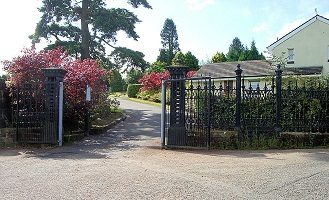
Vale of Leven Cemetery, first laid out in 1881 around the original Bonhill Parish Cemetery as distinct from Bonhill Graveyard, lies directly west of the town centre and the railway station. It is on Overtoun Road,, postal code G83 0LJ. By clicking here you will be taken to its official West Dunbartonshire website with directions and opening-times, seven days a week.
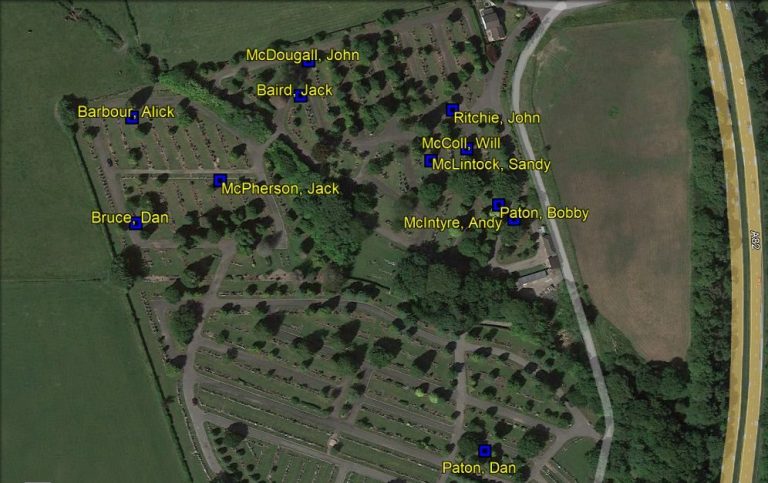
Vale of Leven Cemetery/Bonhill Parish Cemetery
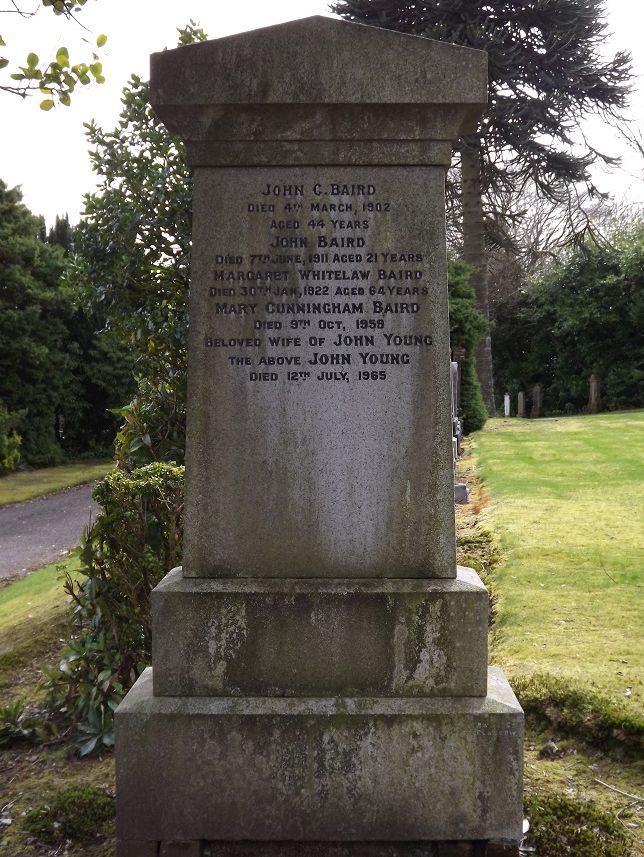
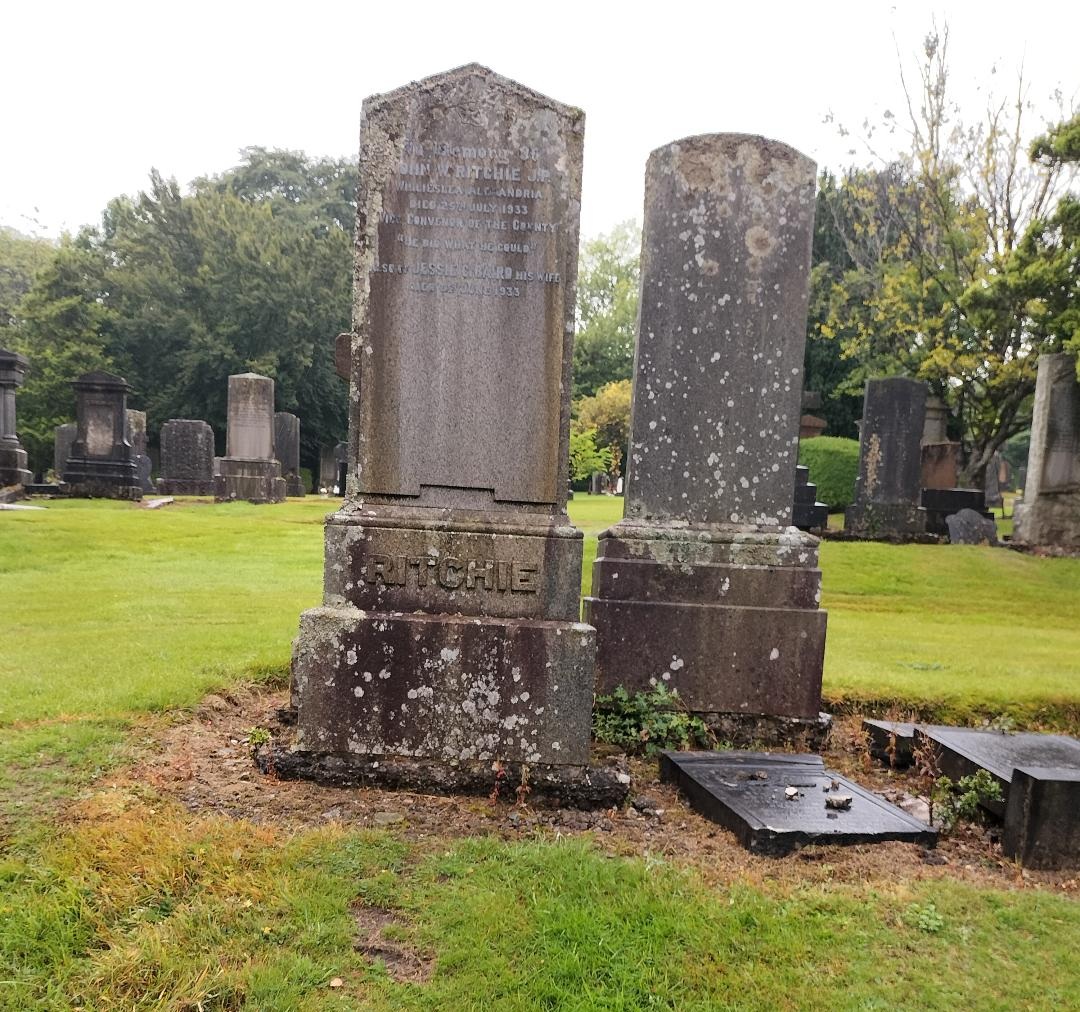
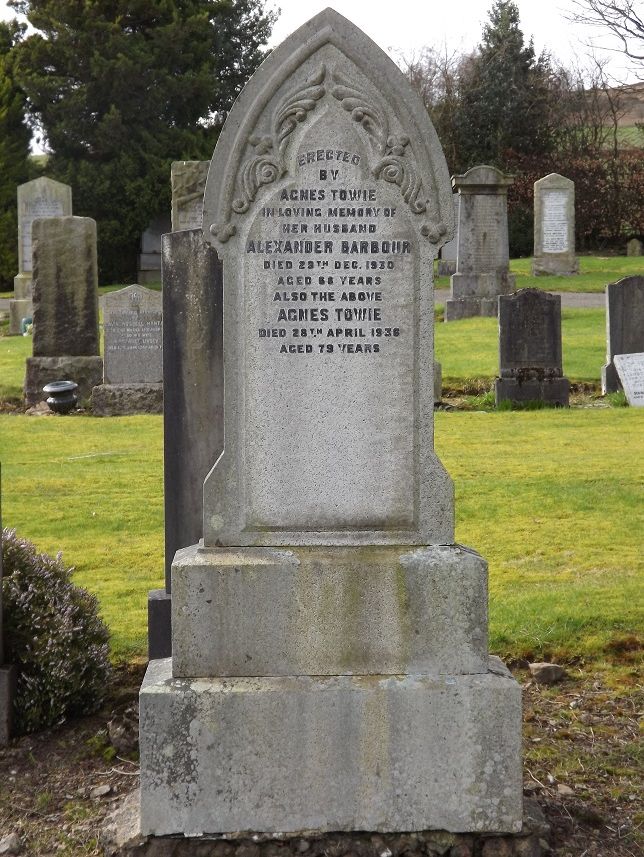
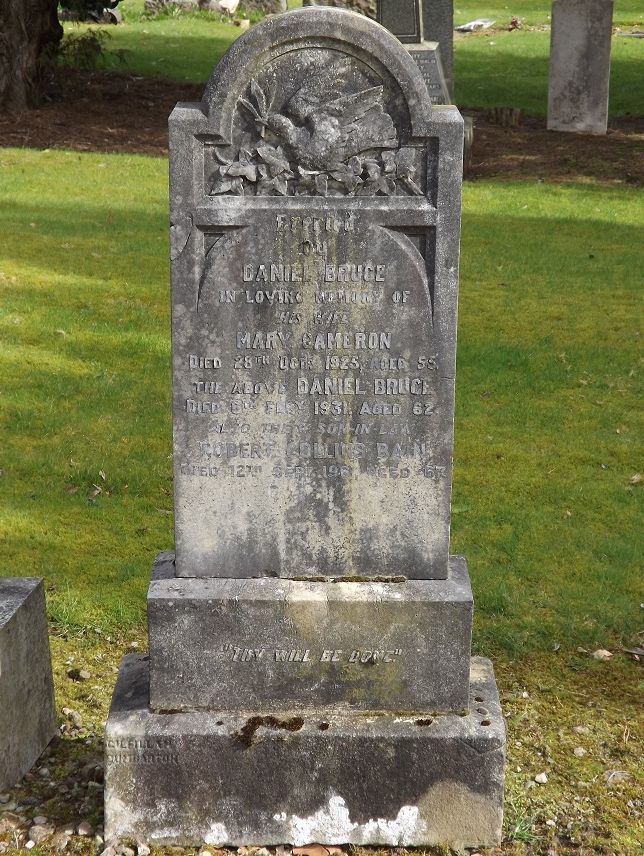
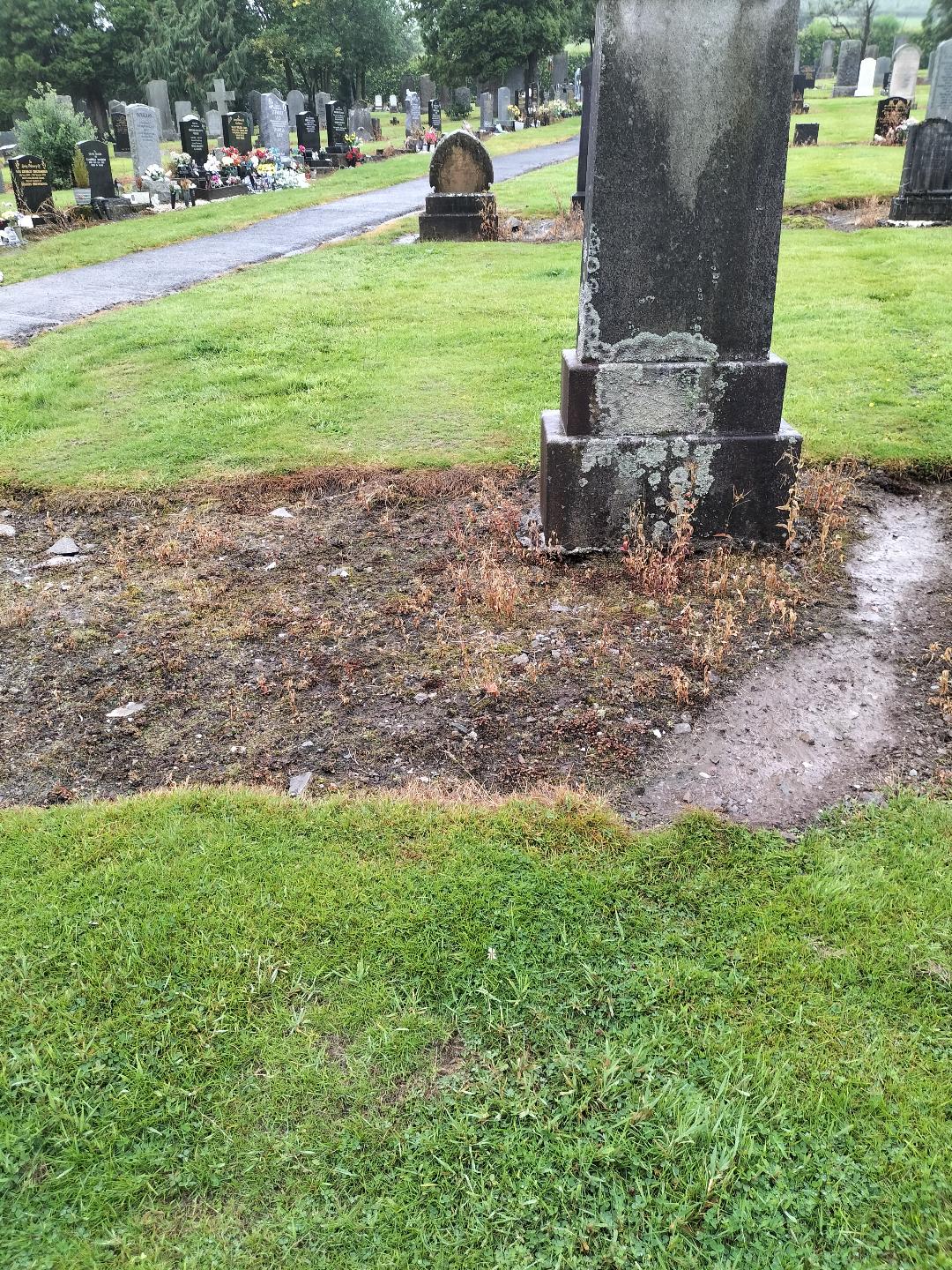
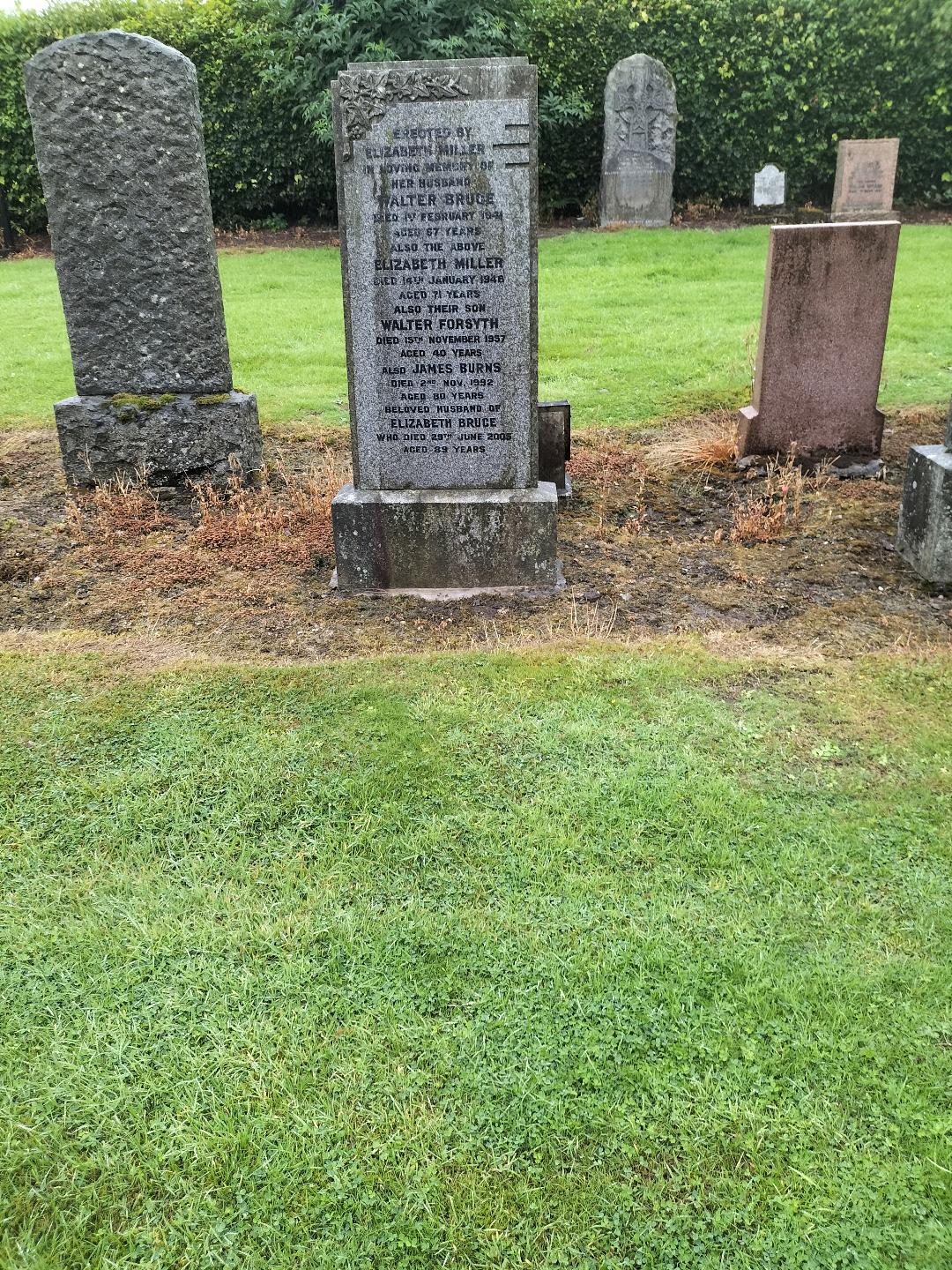
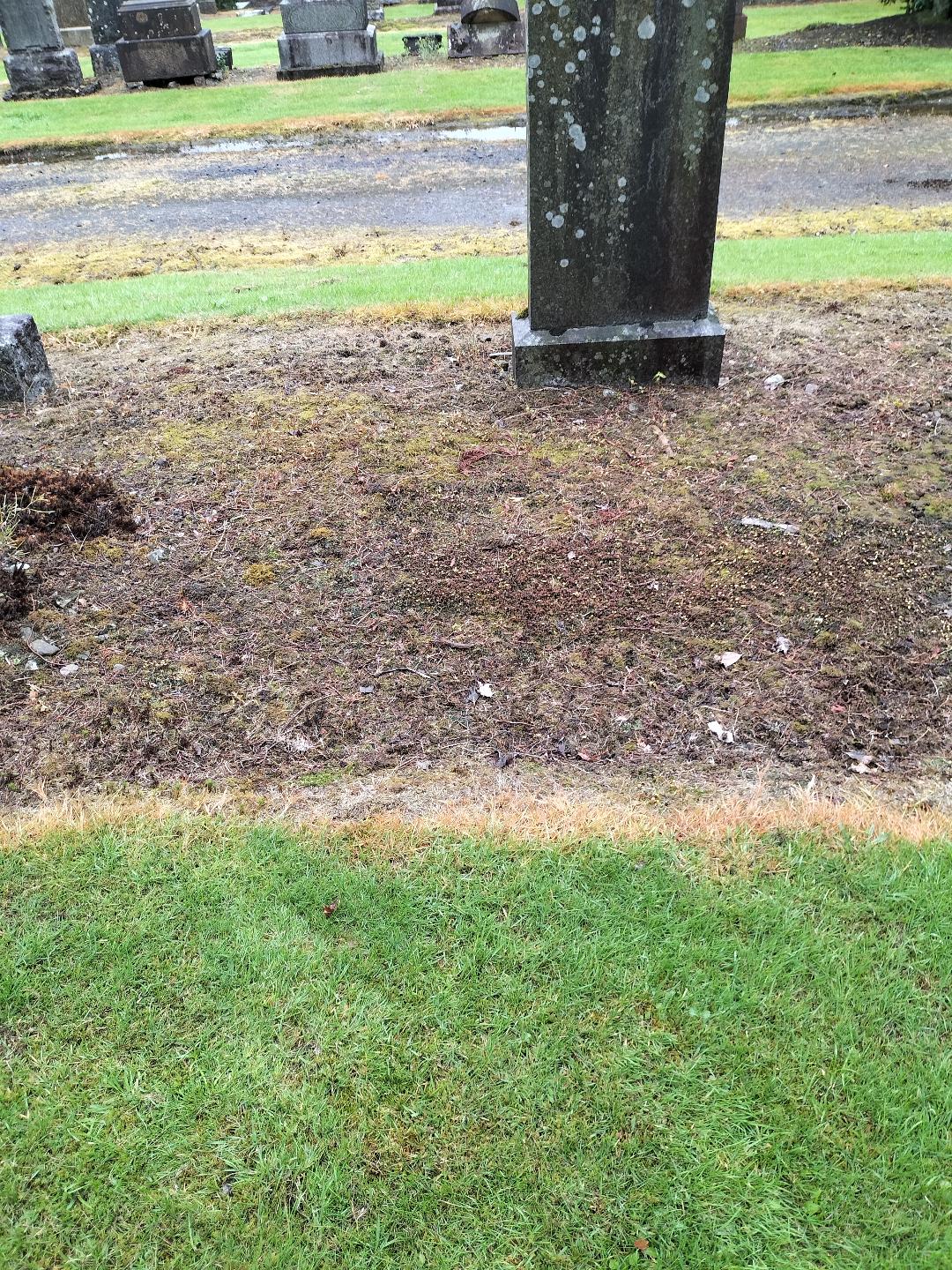
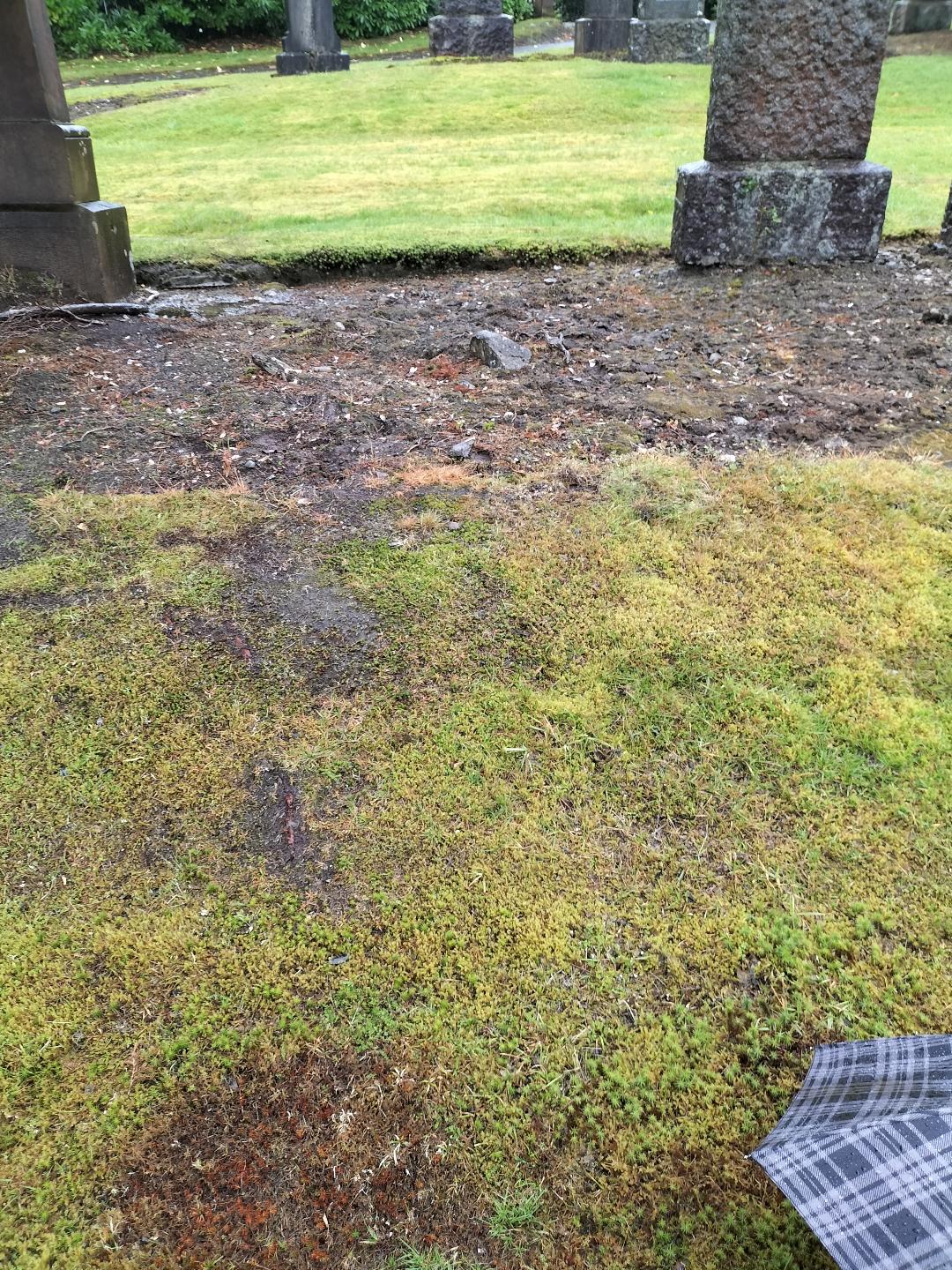
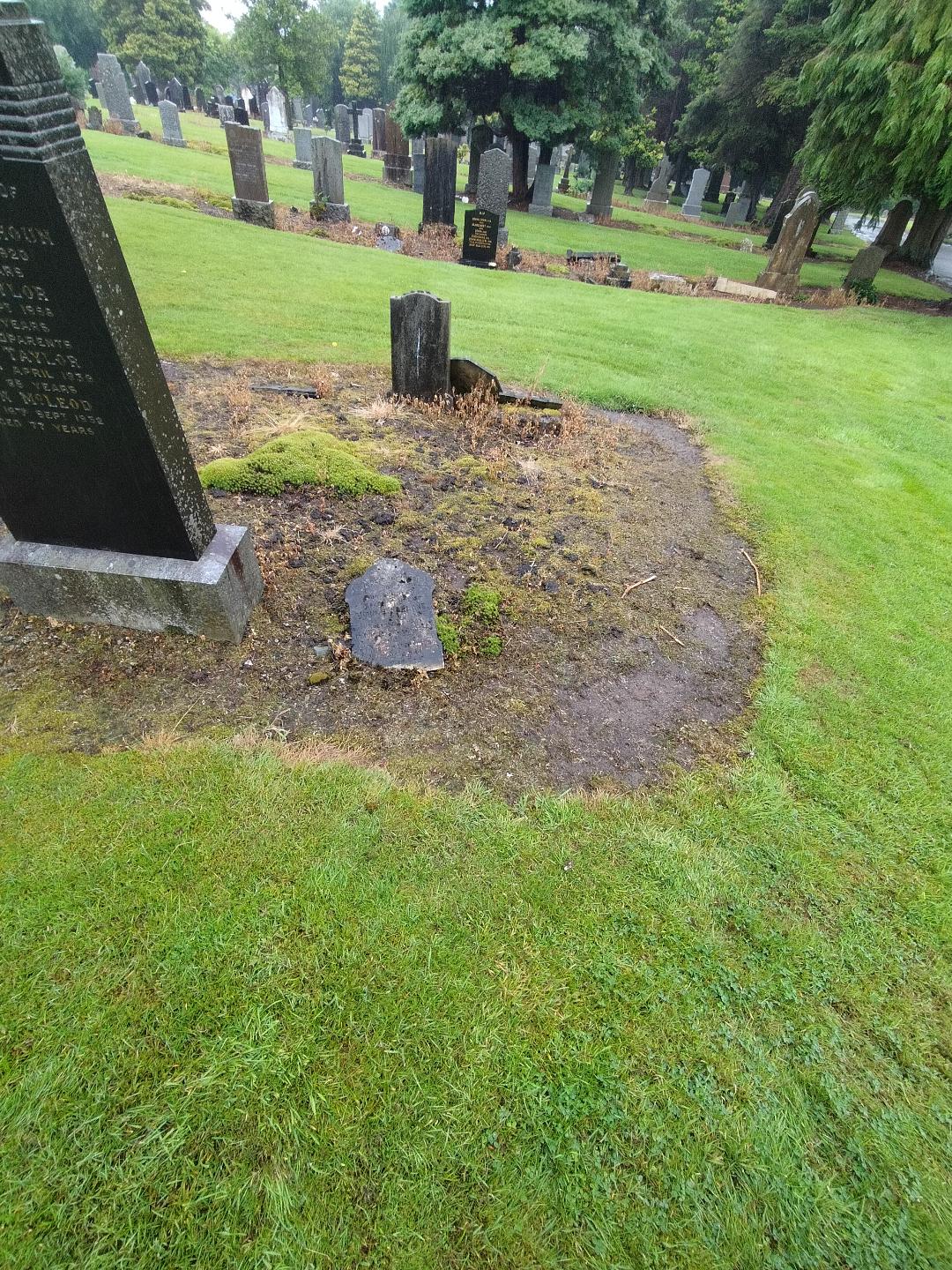
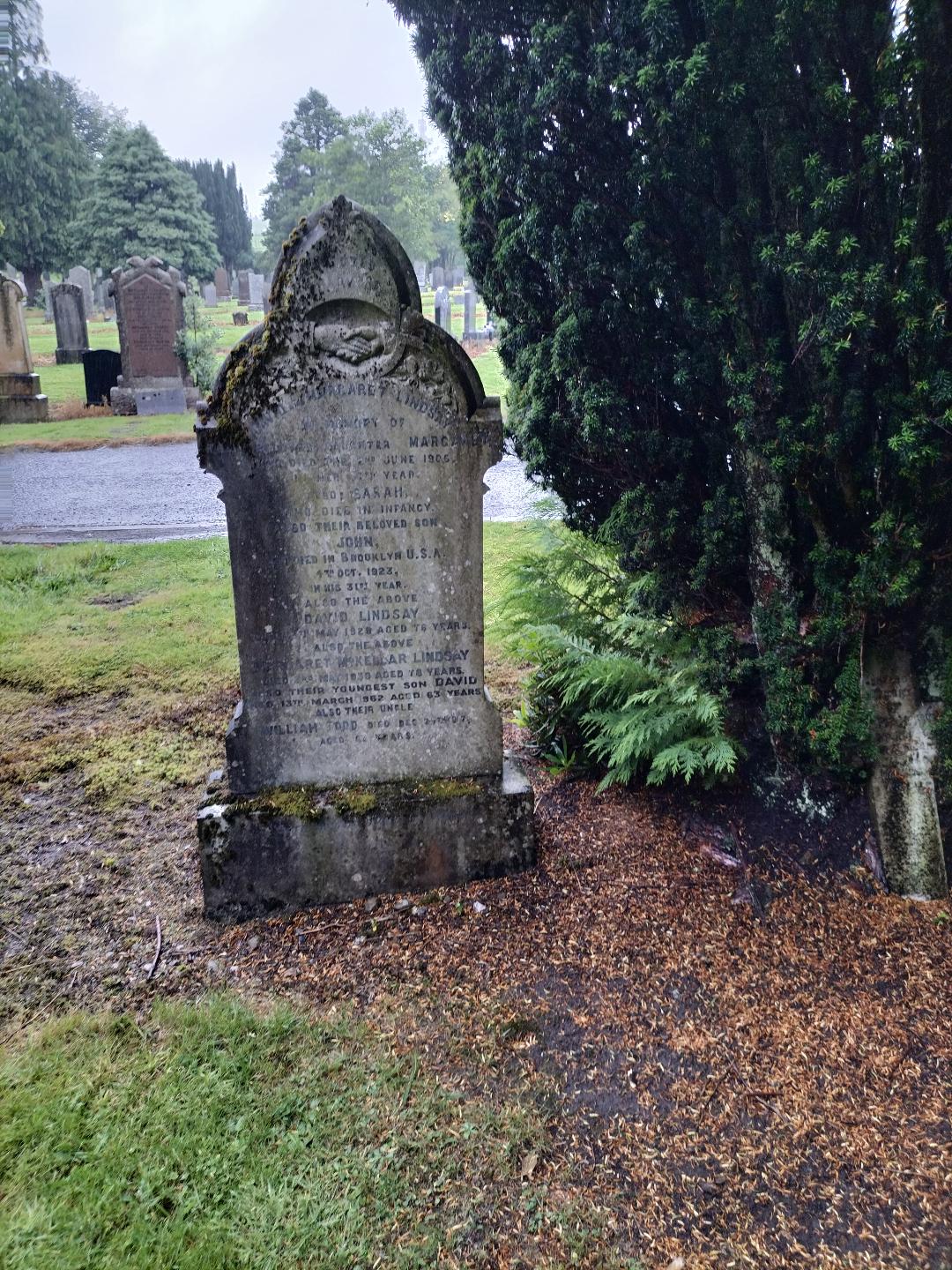
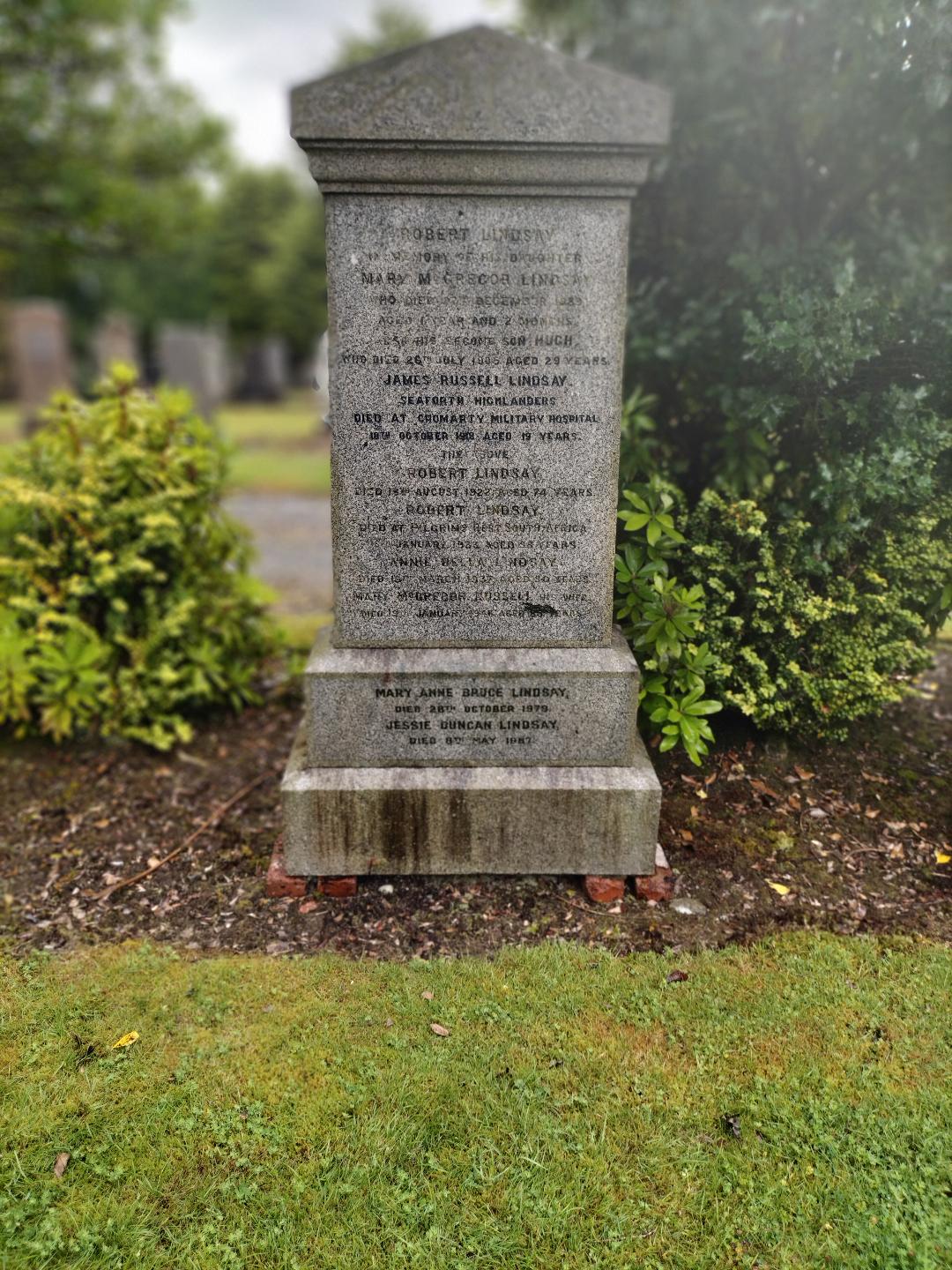
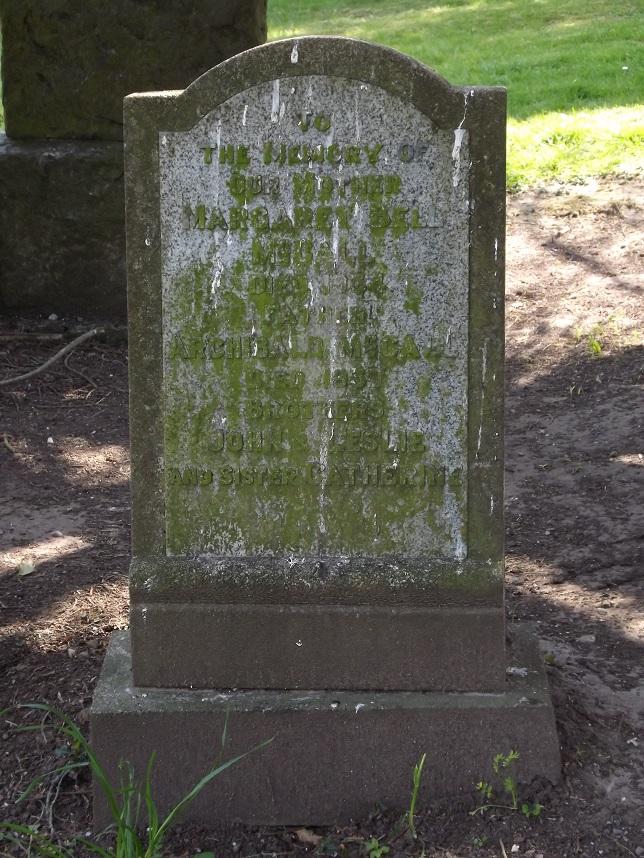
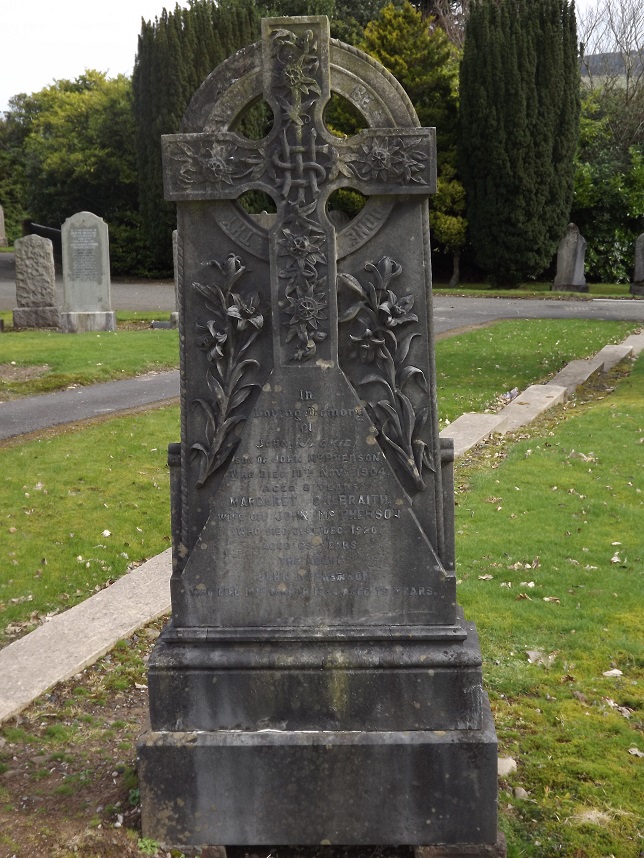
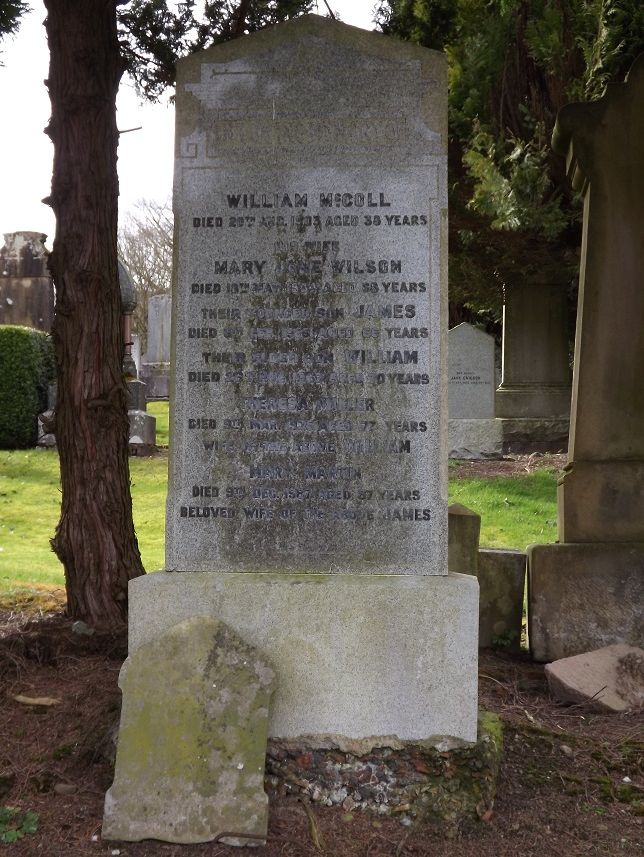
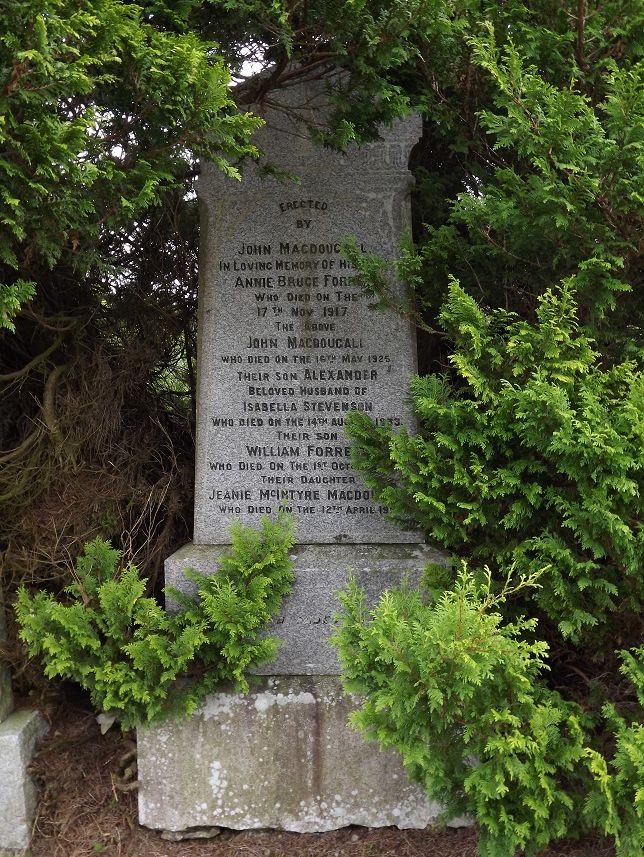
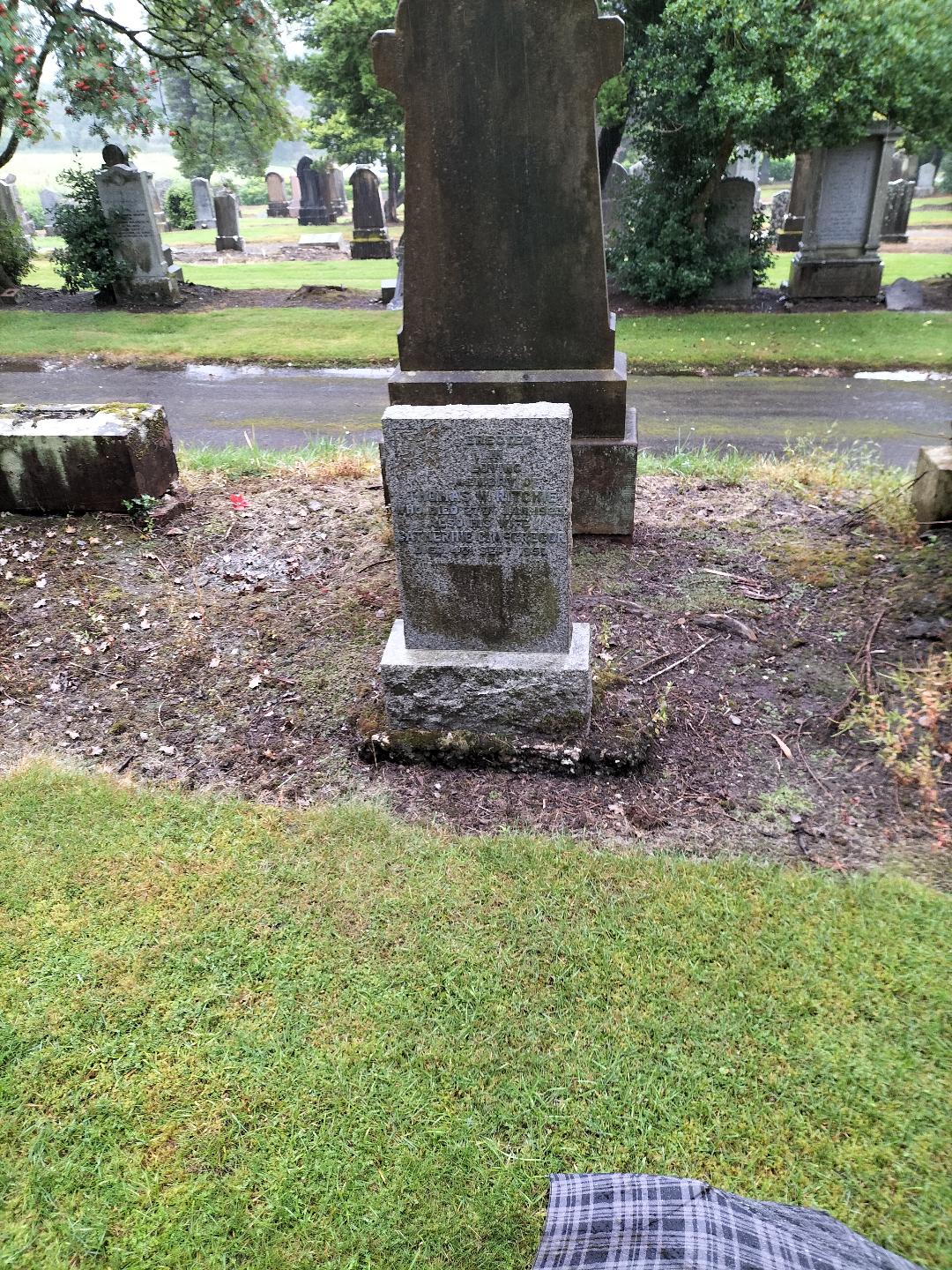
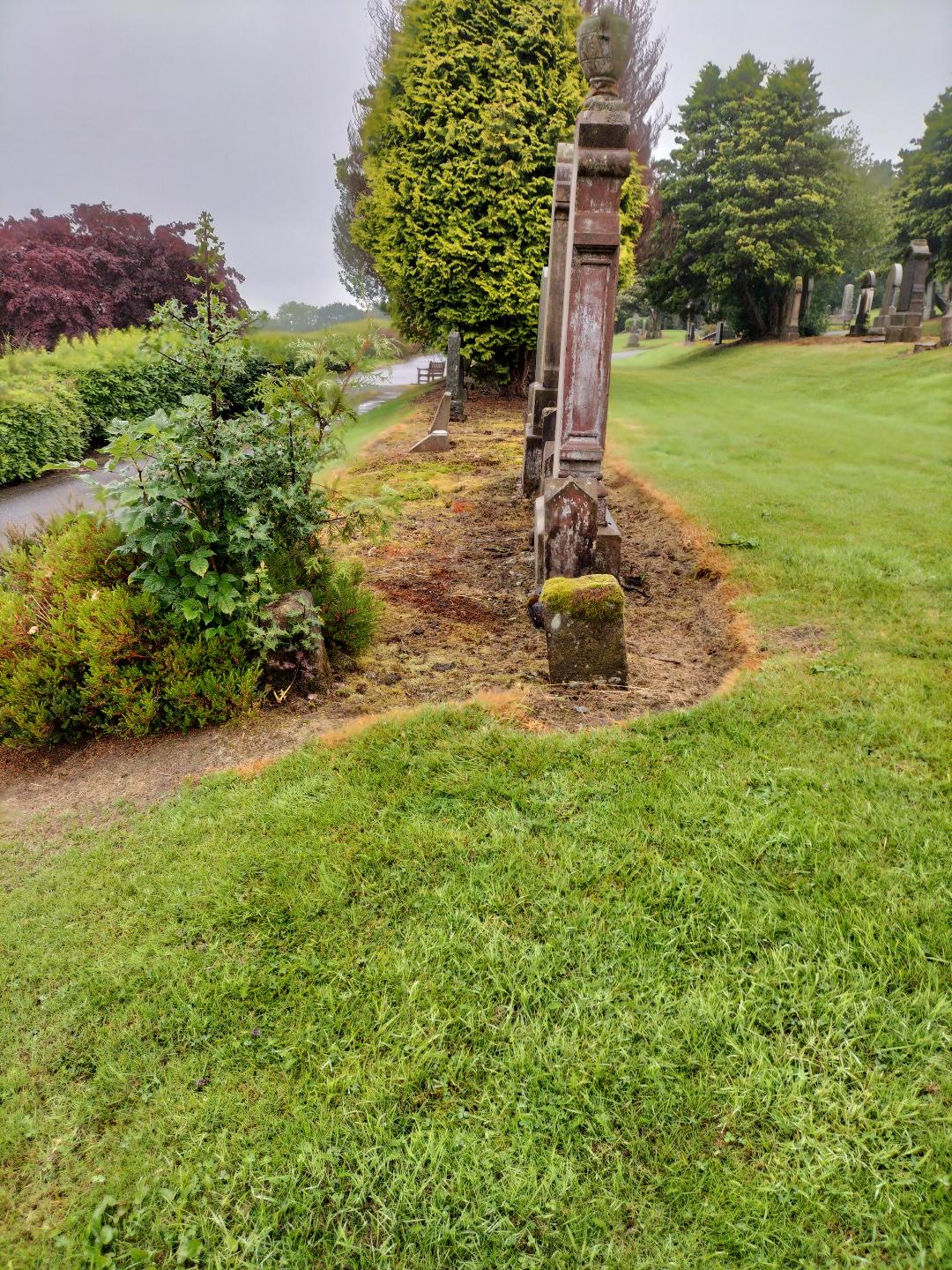
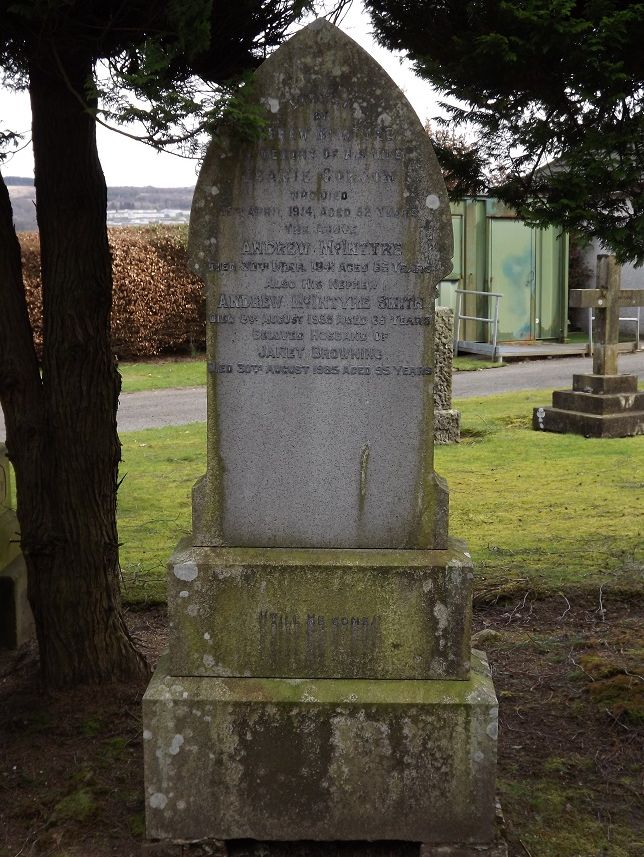
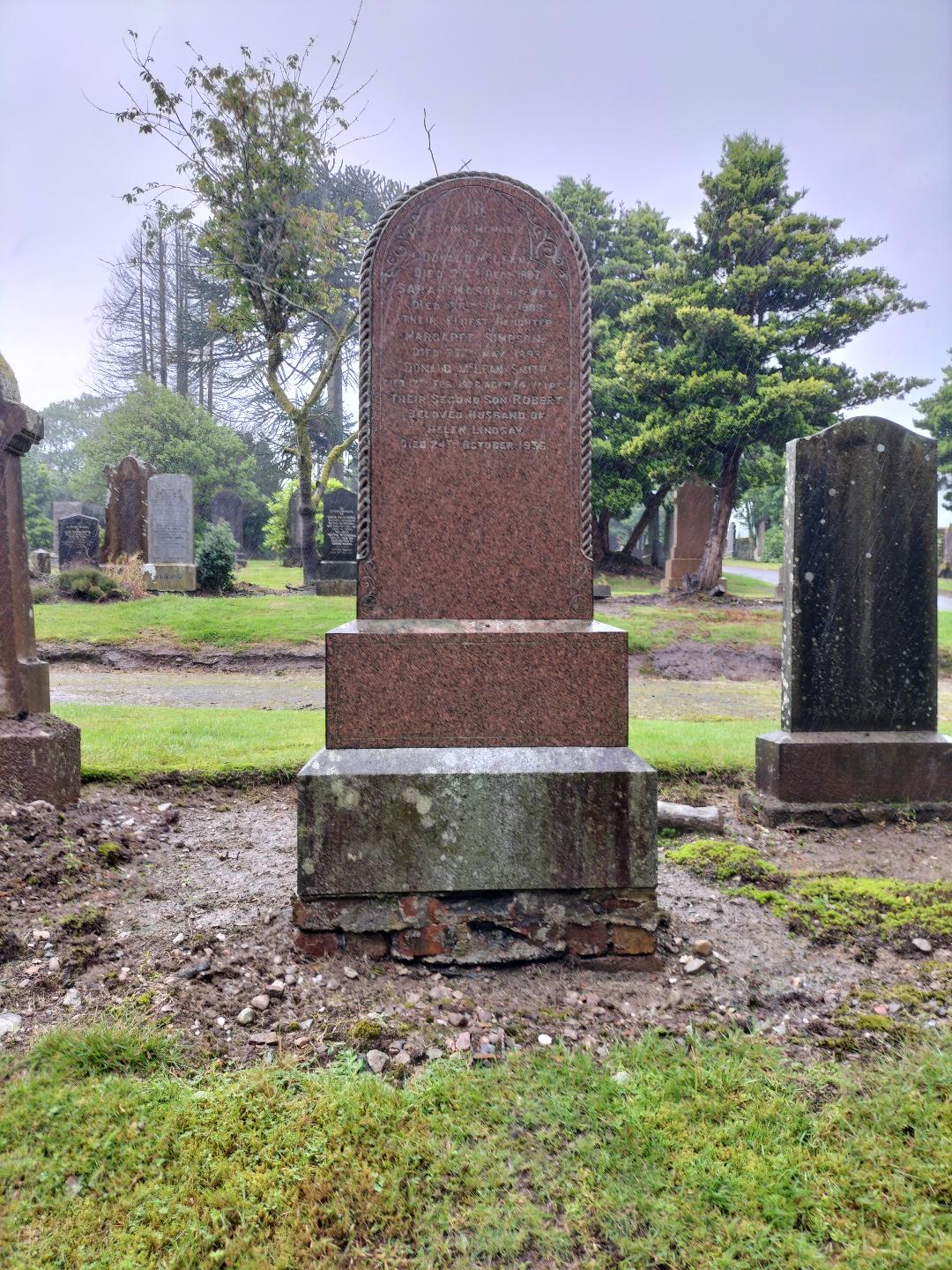
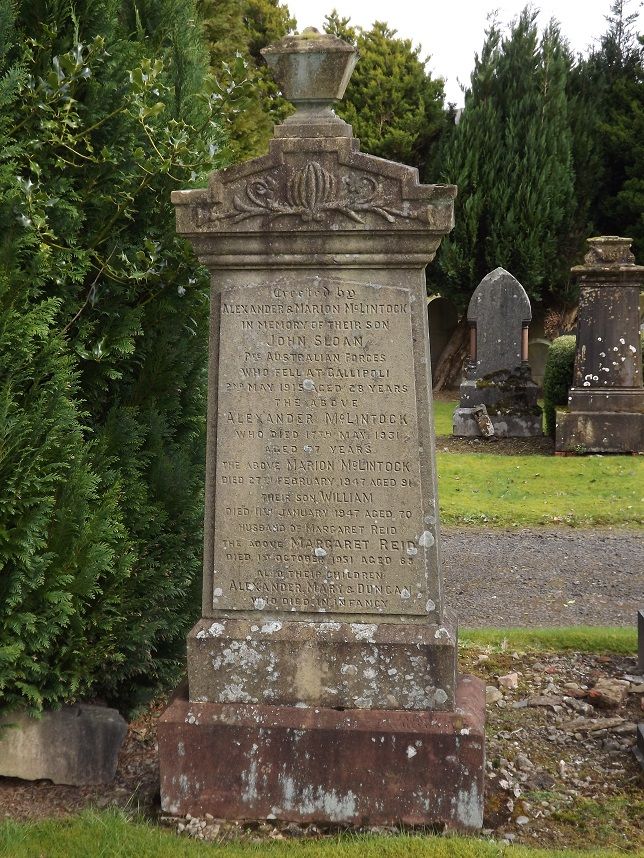
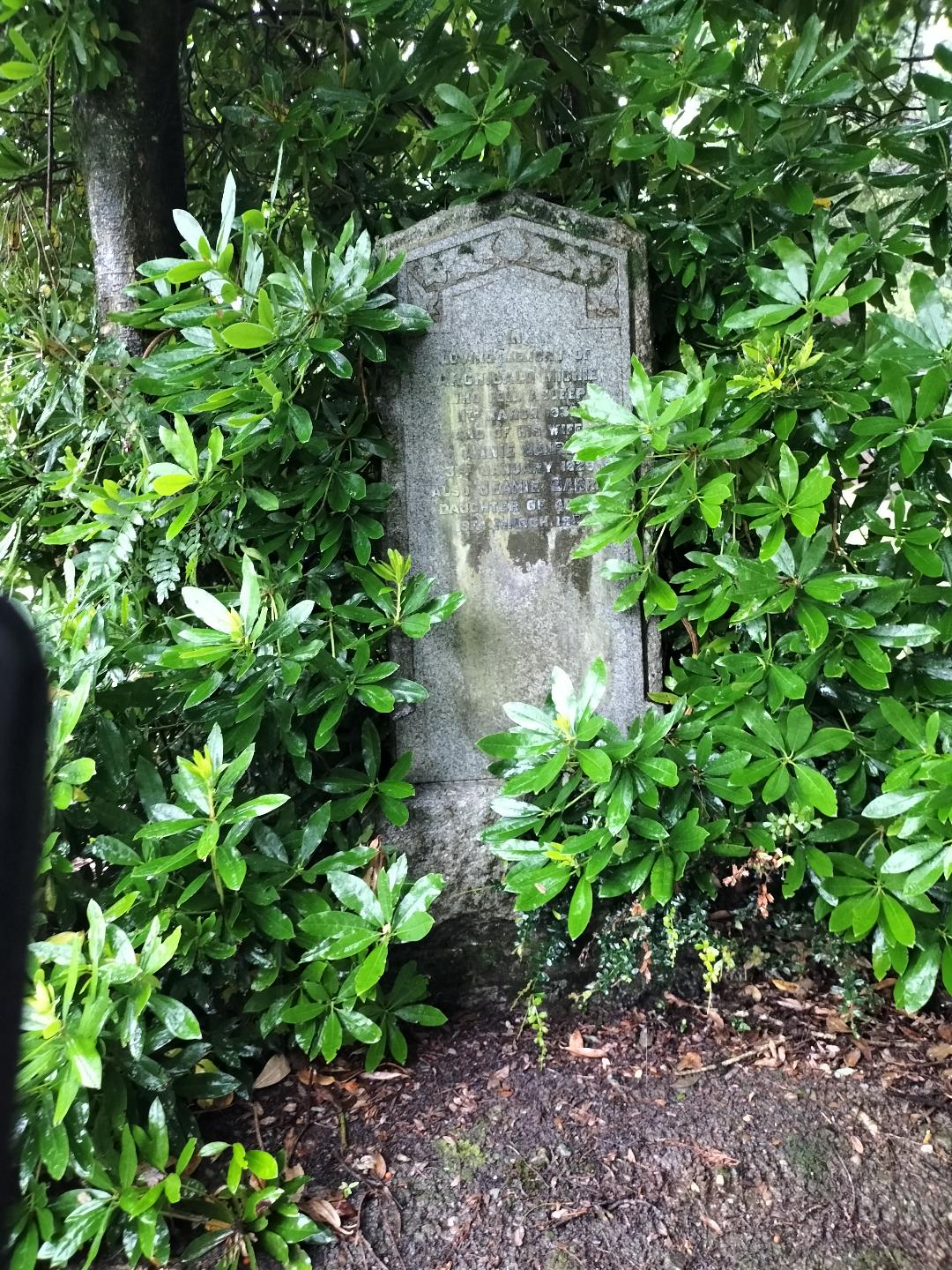
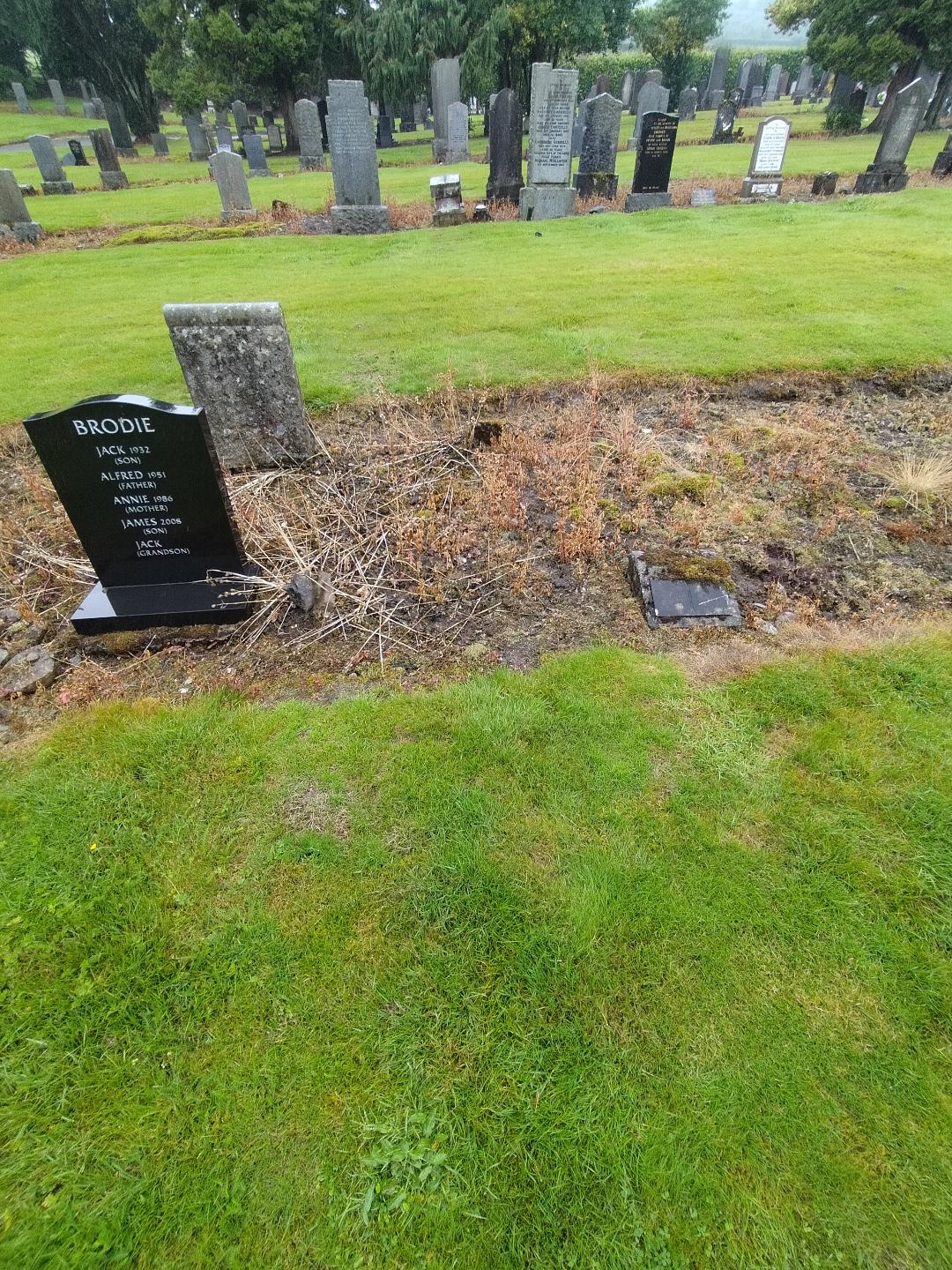
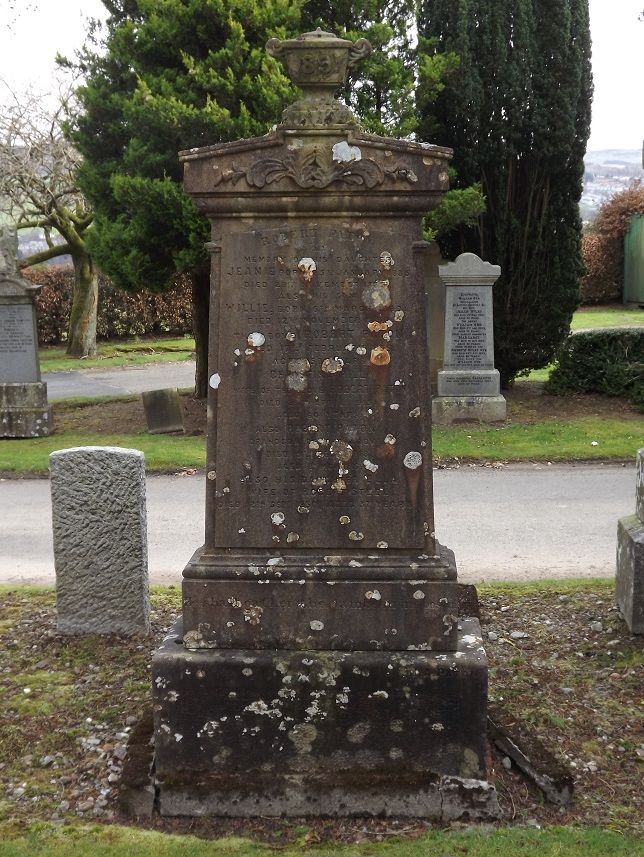
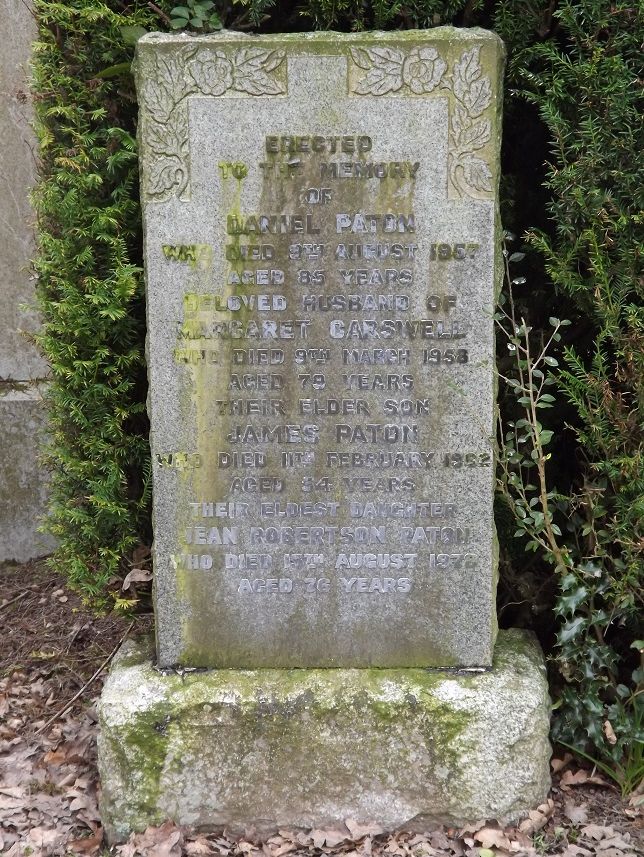
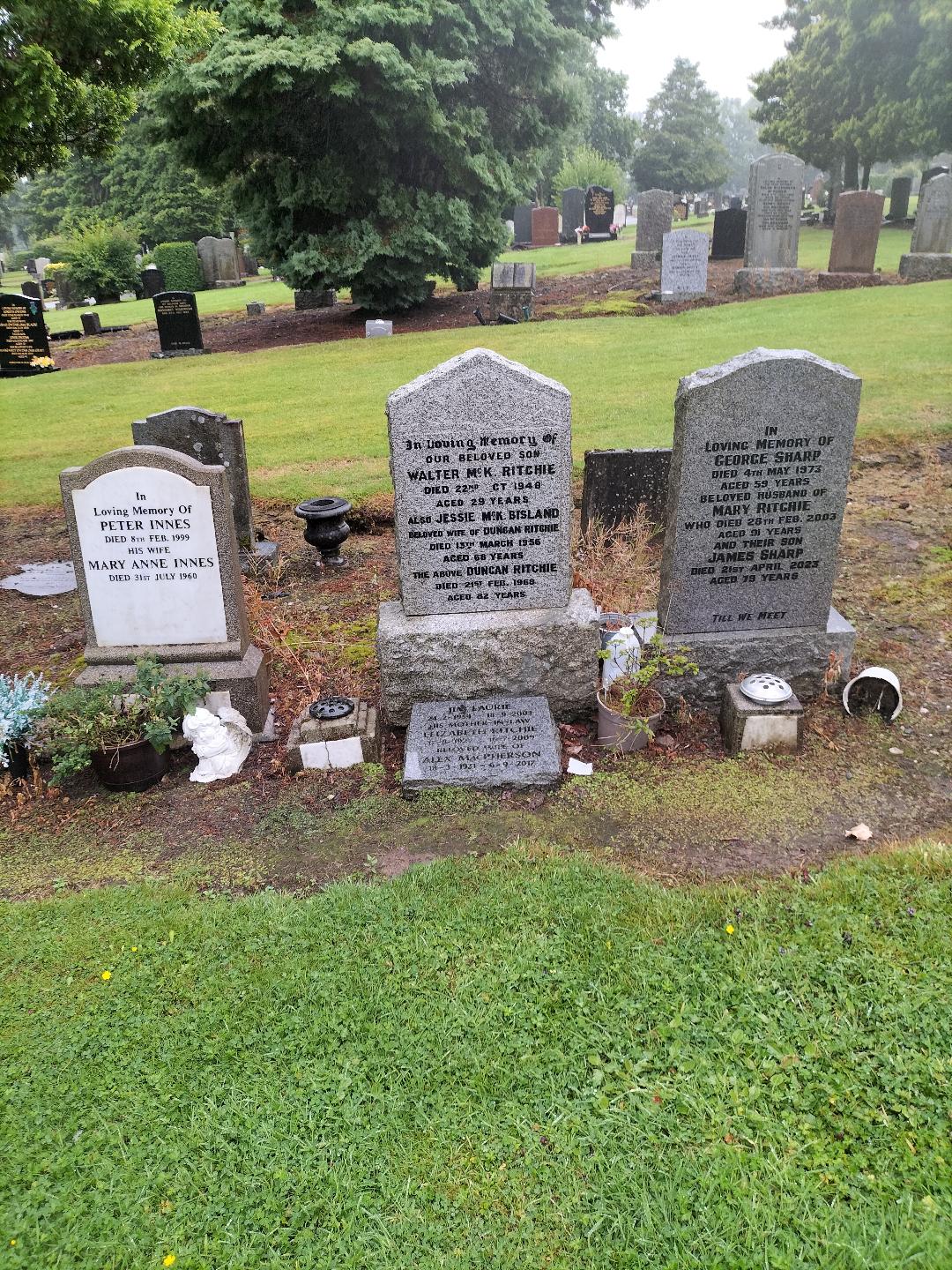
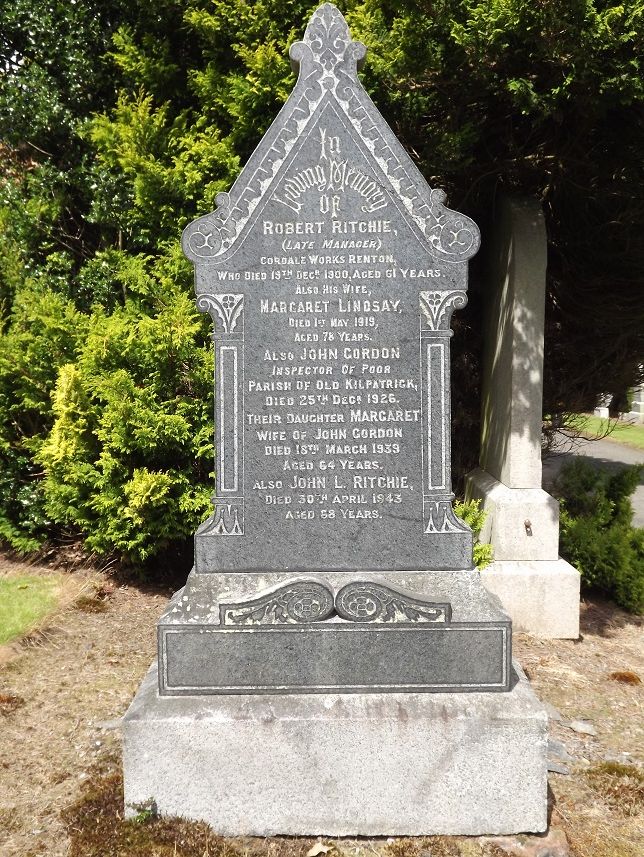
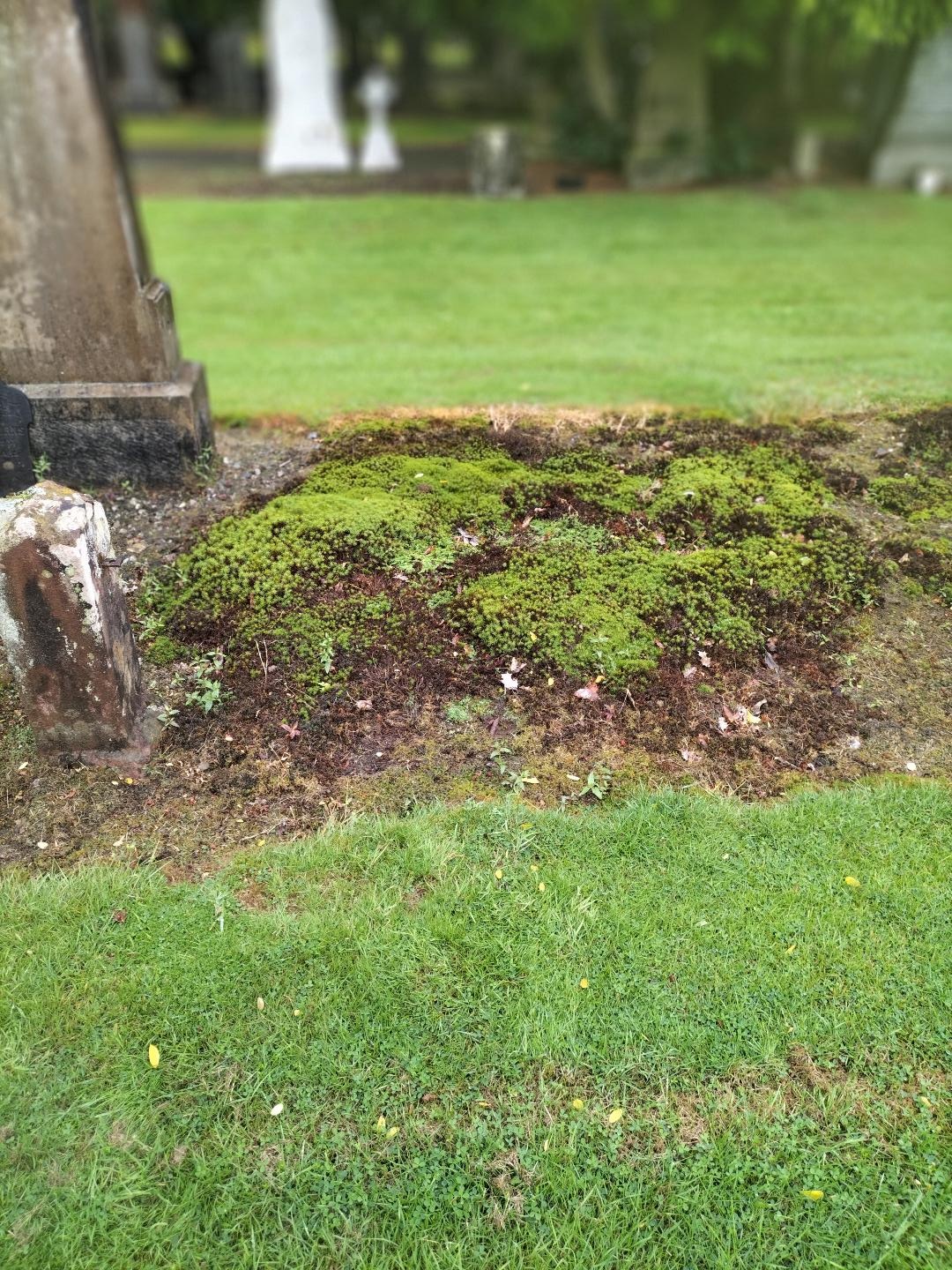
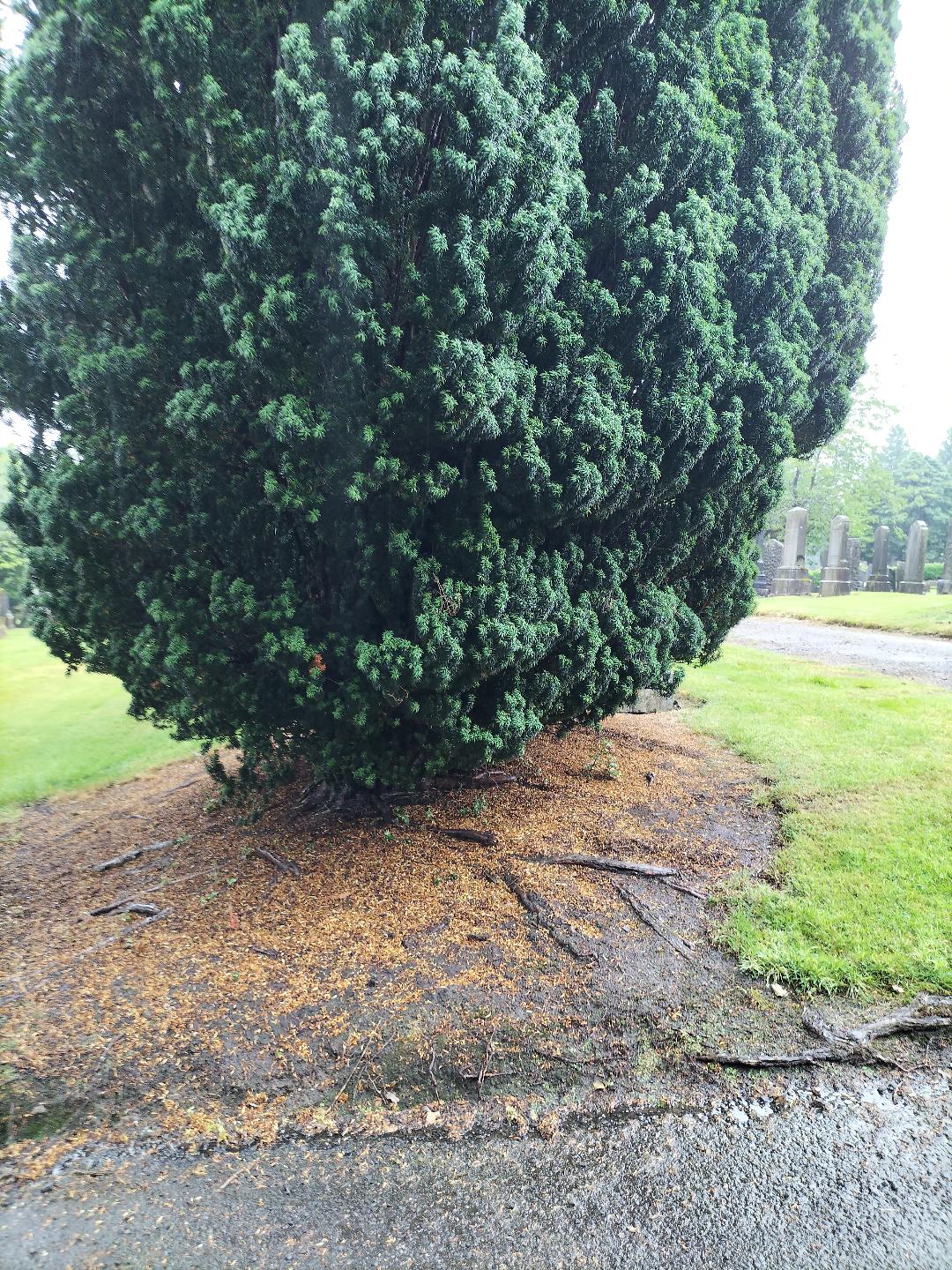
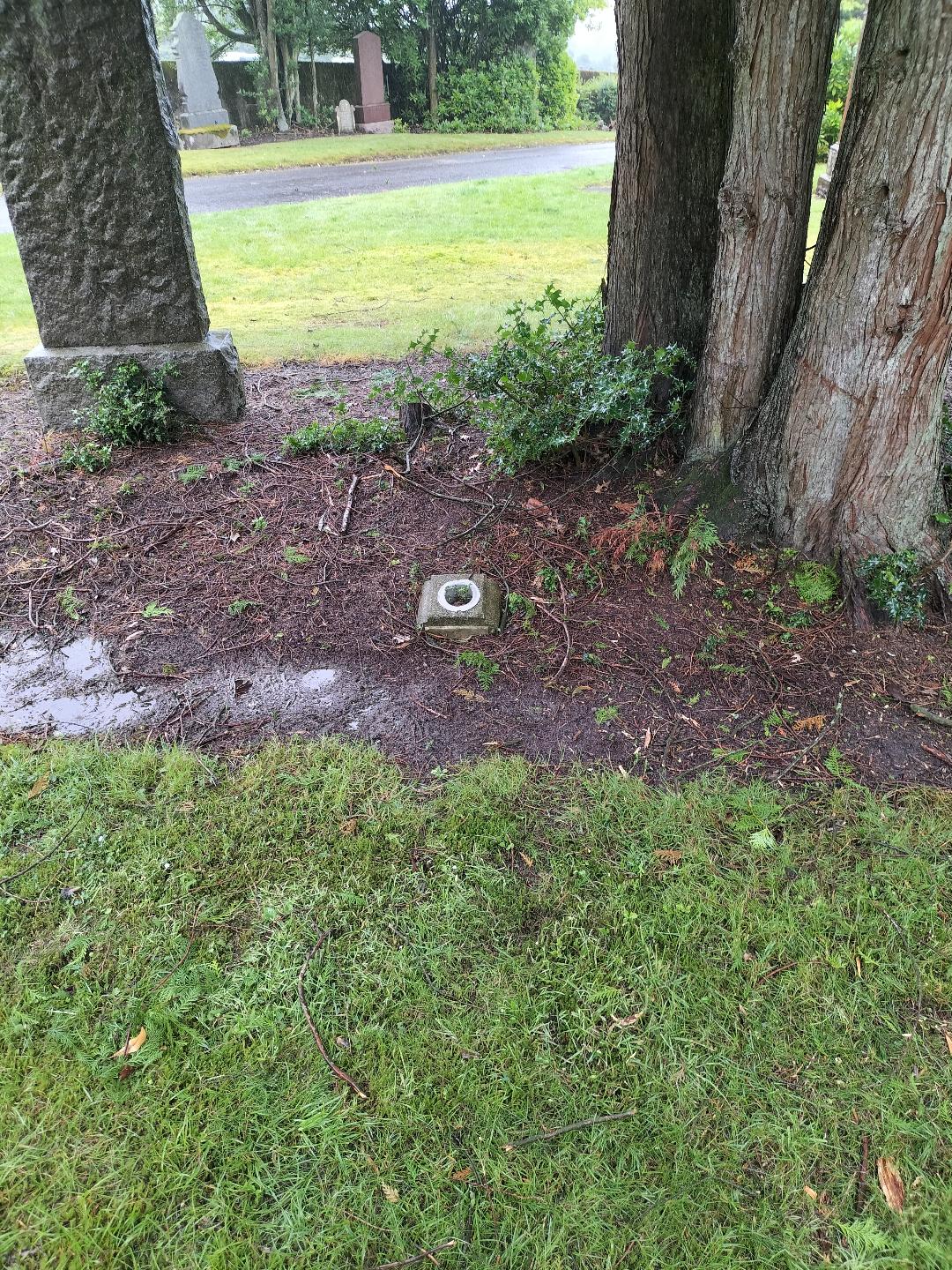
Note: Very grateful thanks extended to Allan Kane of Vale of Leven Cemetery for the finding and help in photographing of some the graves and lairs above and to the inestimable Martin Donnelly for the rest. And thanks to Amanda and Kayleigh of West Dunbartonshire Bereavement Services more generally.
And here is the newly restored grave in Belfast of Robert Parlane, born Bonhill, twice a Scottish Cup winner, winner of three Scottish caps and Scotland's third-ever, international goalkeeper.
_________________________________________________________________________________________________________
Bonhill Churchyard
Bonhill Churchyard lies across the bridge east from Alexandria and then south into the village. It encircles Bonhill Parish Church on Main St. Bonhill, postal code G83 9HR.
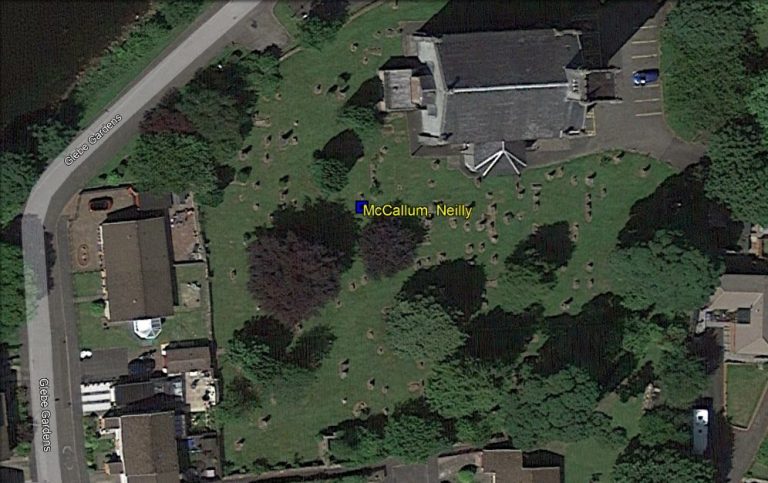
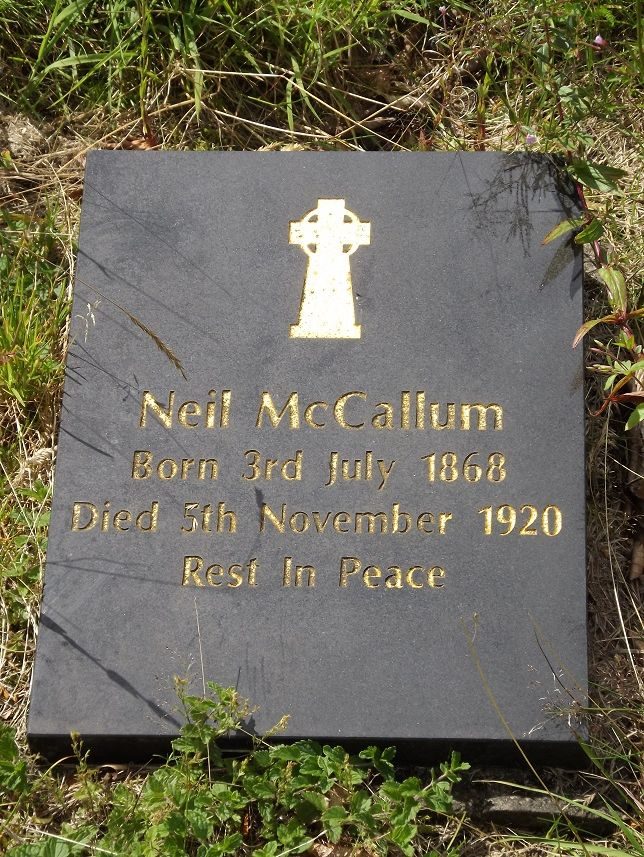
Renton 1885-8, Celtic 1888-90, the to England, notably Nottingham Forest, 1 Scottish cap, 1888.
_________________________________________________________________________________________________________
Millburn and Renton
Millburn and Trinity Parish Churches
Background
Renton, with its burial ground and cemetery, is another, this time a village, a model village, that was developed from 1762 around the textile bleaching and dyeing industries. Dalquhurn Bleachworks was opened in 1715 and Cordale Printworks in 1770 and their growth was responsible for attracting new industrial workers, producing, like Alexandria, a mixture of local, near-by Highland and later Irish labour of both religions.
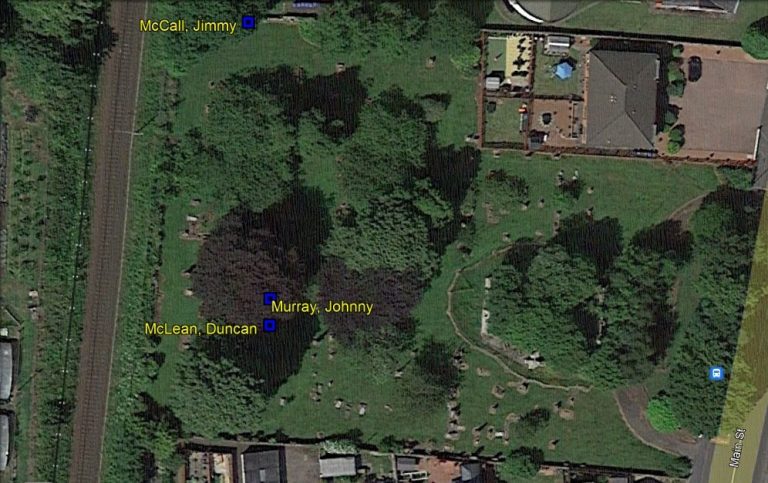
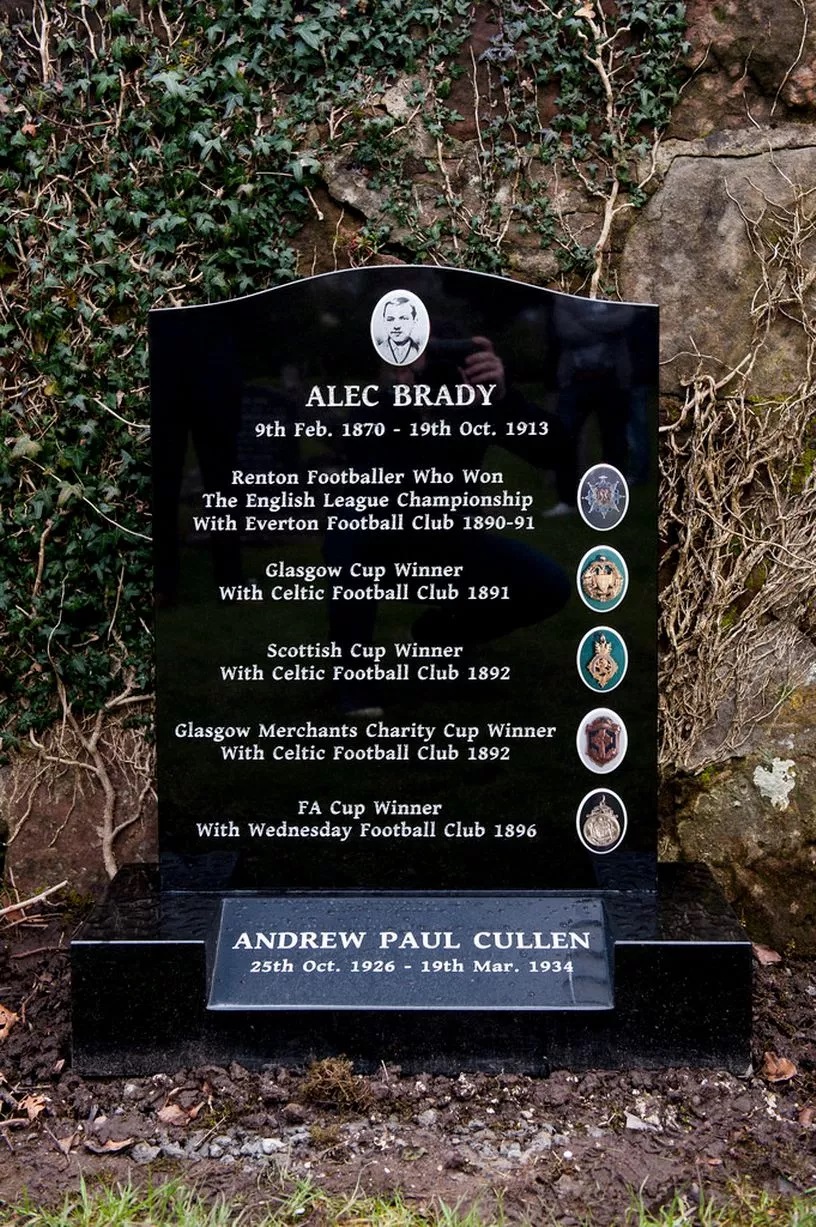
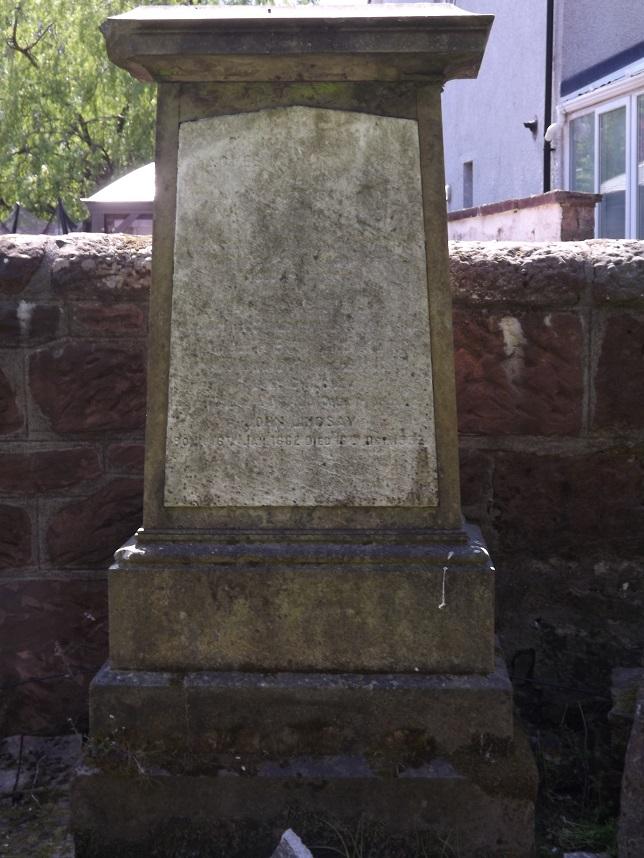
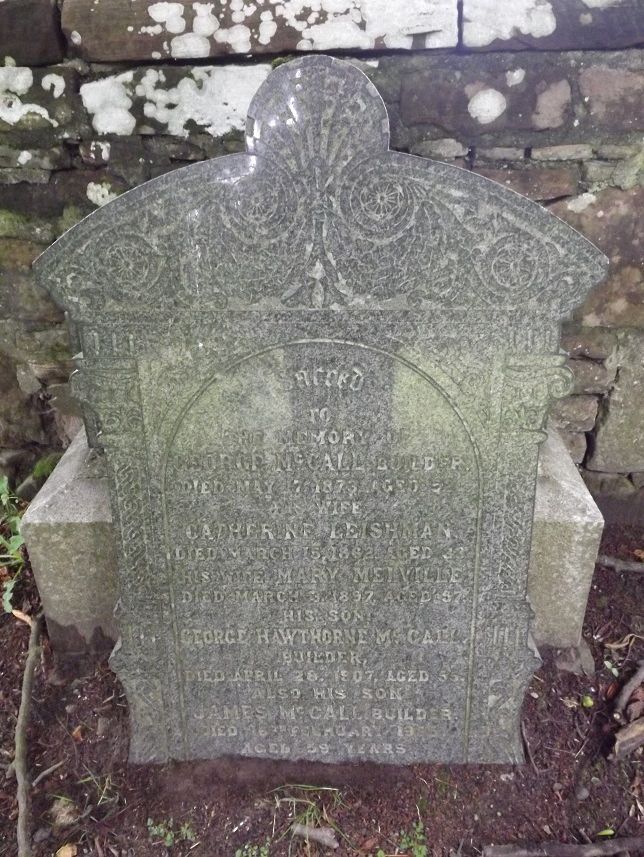
It meant that by the 1870s the population was approaching 4,000, a substantial community from which, some addition from Bonhill and Dumbarton, was for two decades was able to provide the footballing talent for possibly the most influential football, certainly in Scotland, quite probably in Britain and, in terms of the early game, worldwide. However, such was the raiding of that talent that many of the players that had their grounding in the village are buried elsewhere. James Kelly is to be found in St. Patrick's Cemetery in New Stevenston. Alex Latta is buried in England on the Wirral, Andrew Hannah in Klibowie Cemetery on Clydebank and Archie McCall just up the road in Vale of Leven Cemetery. However, James McCall is there including Alec Brady, perhaps the best player of the era never to be capped for Scotland, a prodigy and already playing in England at sixteen, who after football neverthere less returned home to live out the rest of his life.
Millburn Burial Ground
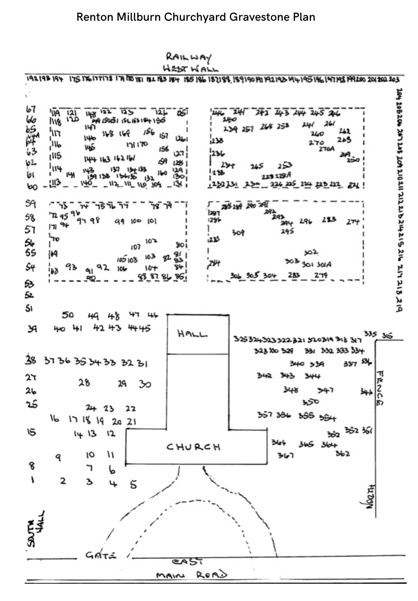
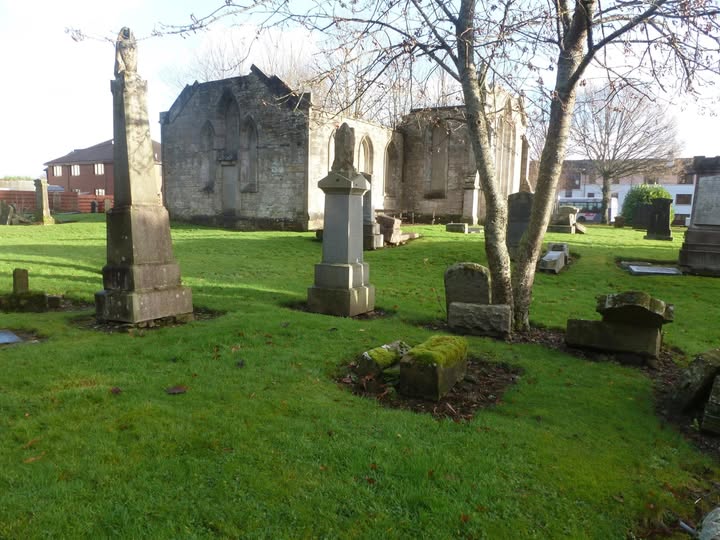
Millburn Cemetery surrounds the former Millburn Church on Renton High St., postal code G82 4PZ. The church itself is a semi-ruin, disused since 1985. The graveyard is not in the best of state. More details are available by clicking here.
Alex Wylie
__________________________________________
There is a strong case for Alex Wylie, businessman and polititian, to be declared, as Alexander Watson Hutton is of the Argentine Game, The Father of Scottish and therefore of modern, World football. He became the owner/manager of the Dalquhurn and Cordale works and, as such, was the patron and funder of both iterations of Renton F.C., its Tontine Park ground eventually constructed by Dalquhurn itself. The first club was founded when he initially became active in the area and the second was to die when he did.
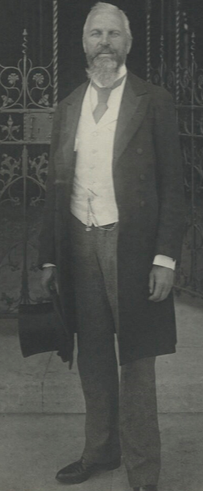
Alex Wylie
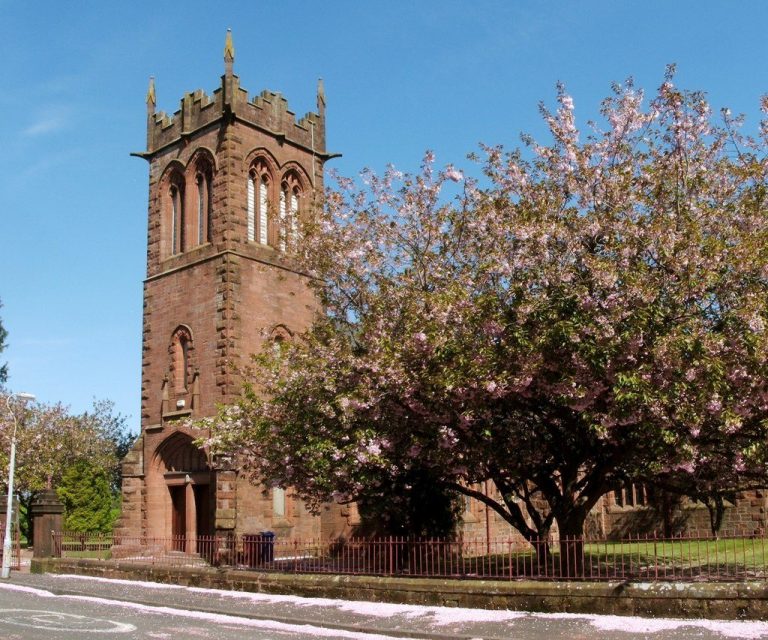
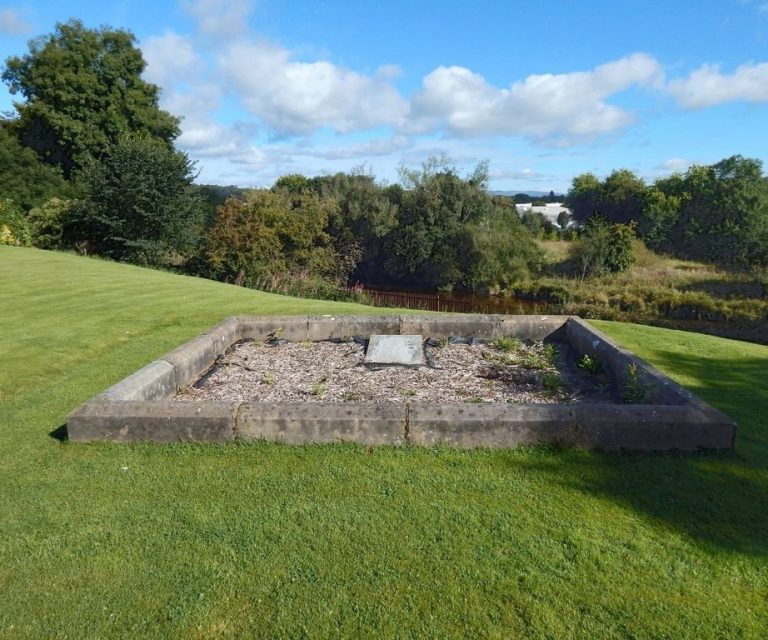
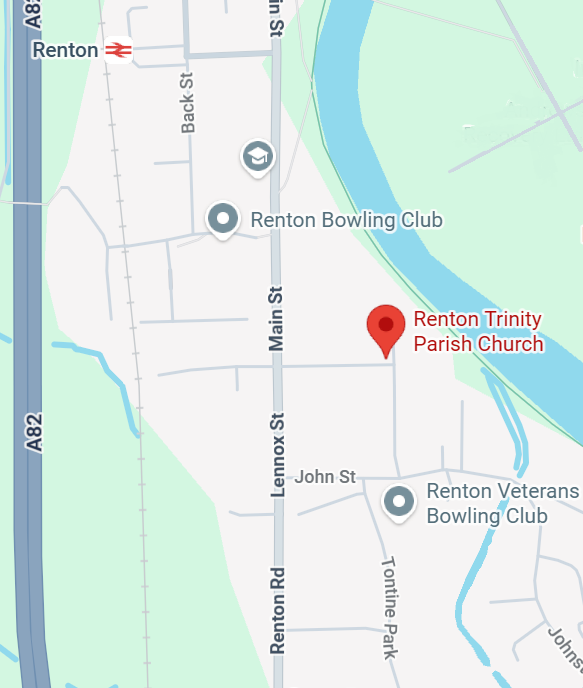
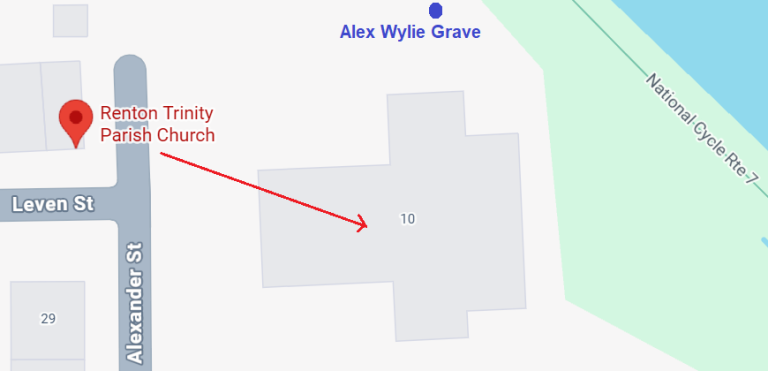
Alex Wylie is buried in the only grave in the Trinity Parish Church grounds at 33, Alexander St., in Renton, postal code: G82 4LT.
_________________________________________________________________________________________________________

Dumbarton
Dumbarton, or at least the community that developed around the imposing Dumbarton Rock at the mouth of the Clyde is at least 1,500 years old. It was, as the capital of know as Alcutha,the capital of the proto-Welsh speaking Kingdom of Strathclyde, hence the name of one of its several early football teams, of which Dumbarton F.C. is the only one to survive in the top-flight; indeed the only survivor of the three great, early teams of the Vale of Leven. In the era of its club's greatest successes Dumbarton was a town of about 13,000 with ship-building and repair one of its main industries, attracting population from all parts, A remarkable number of its fooball club's early players as it grew in strength and winning the first two Scottish Leagues reflect that. They were blacksmith, ship's carpenters and rivetters to trade, footballers to hobby.
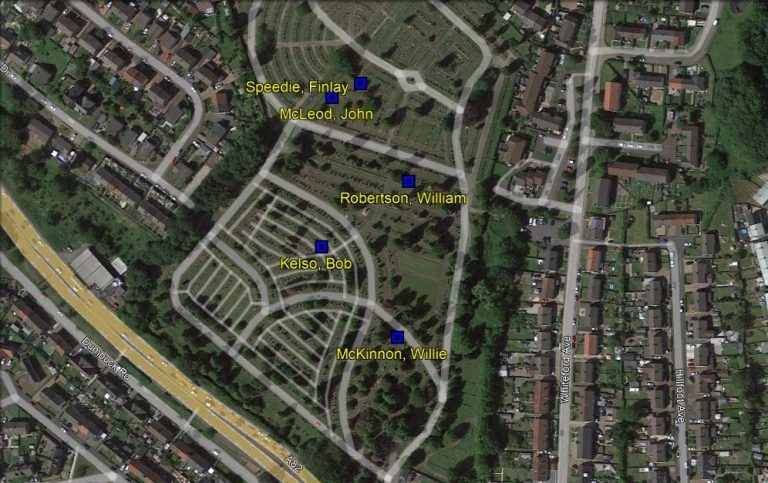
Old Cemetery
Dumbarton itself has two cemeteries, the Old, just north of the town's centre, and the New further out on upper Garand opened in 2015. So here throughout we are referring to the former, opened in 1854, the last resting-place of at least 33 former players of note and officially at 55, St. Andrew's Crescent north of the town centre, postal code G82 3ES, although it the main entrance is confusingly also off Garshake Road, but the lower part of it and just off the A82 . It is open seven days a week. Opening times and more details can be found by clicking here.
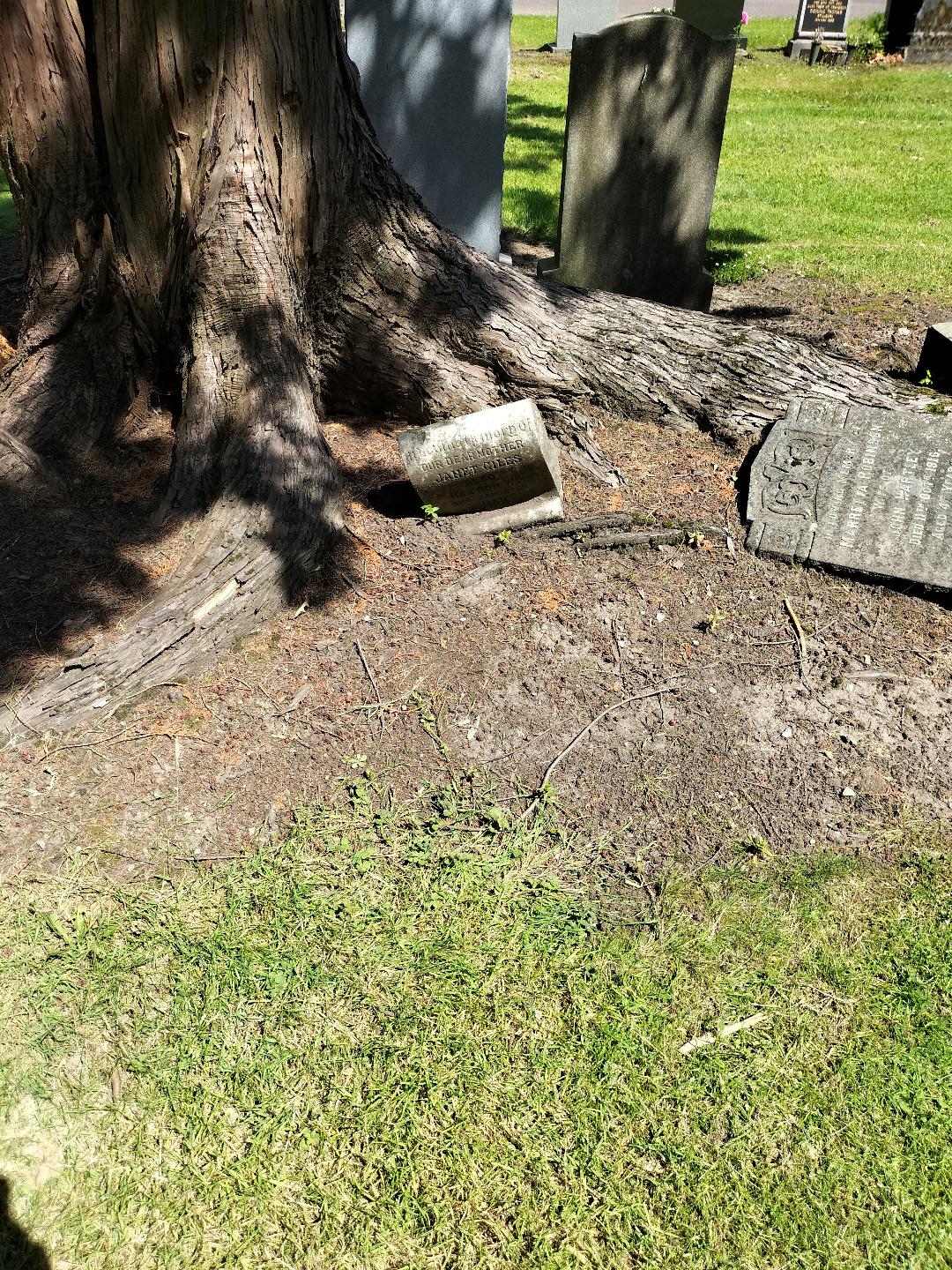

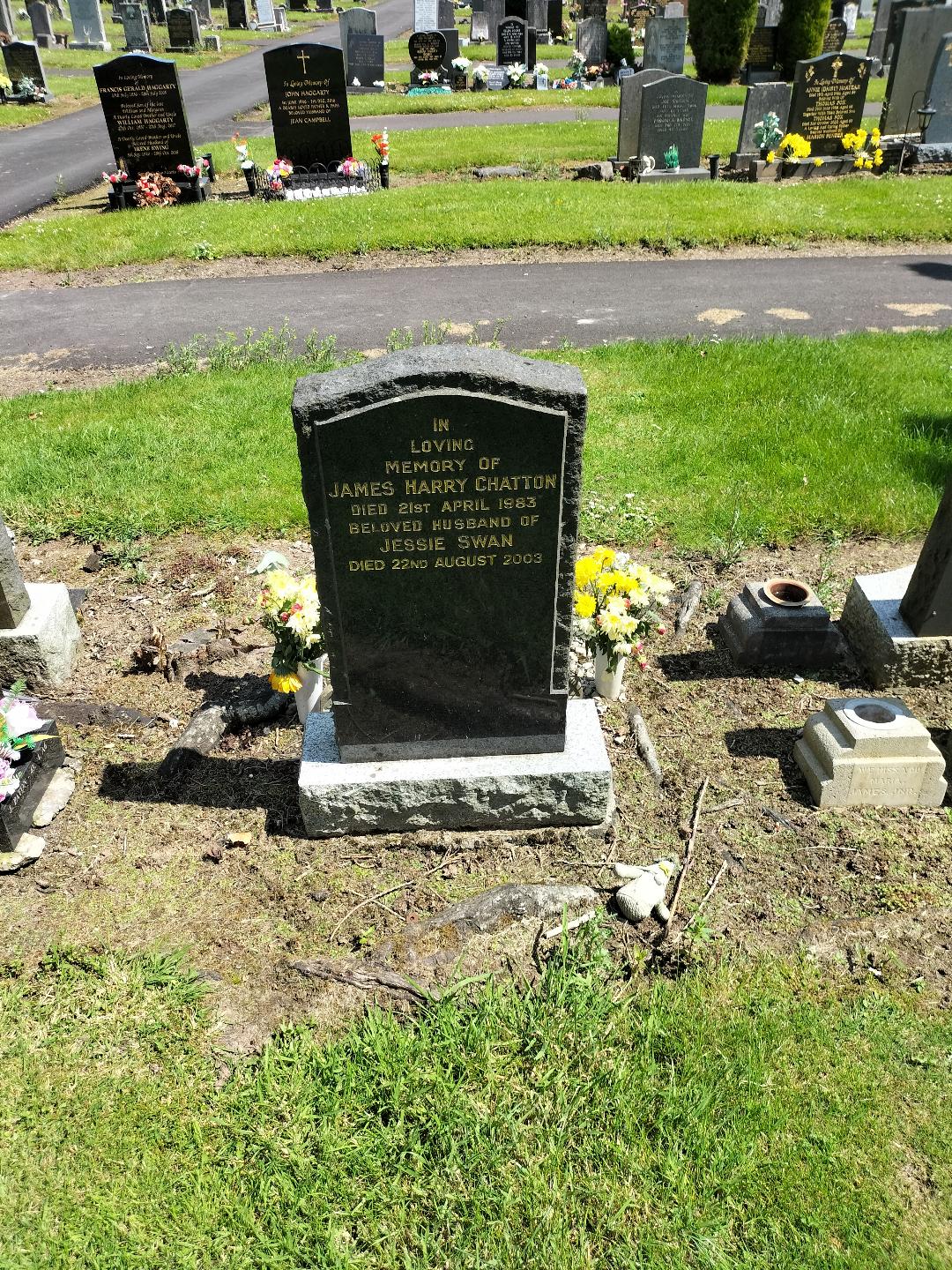
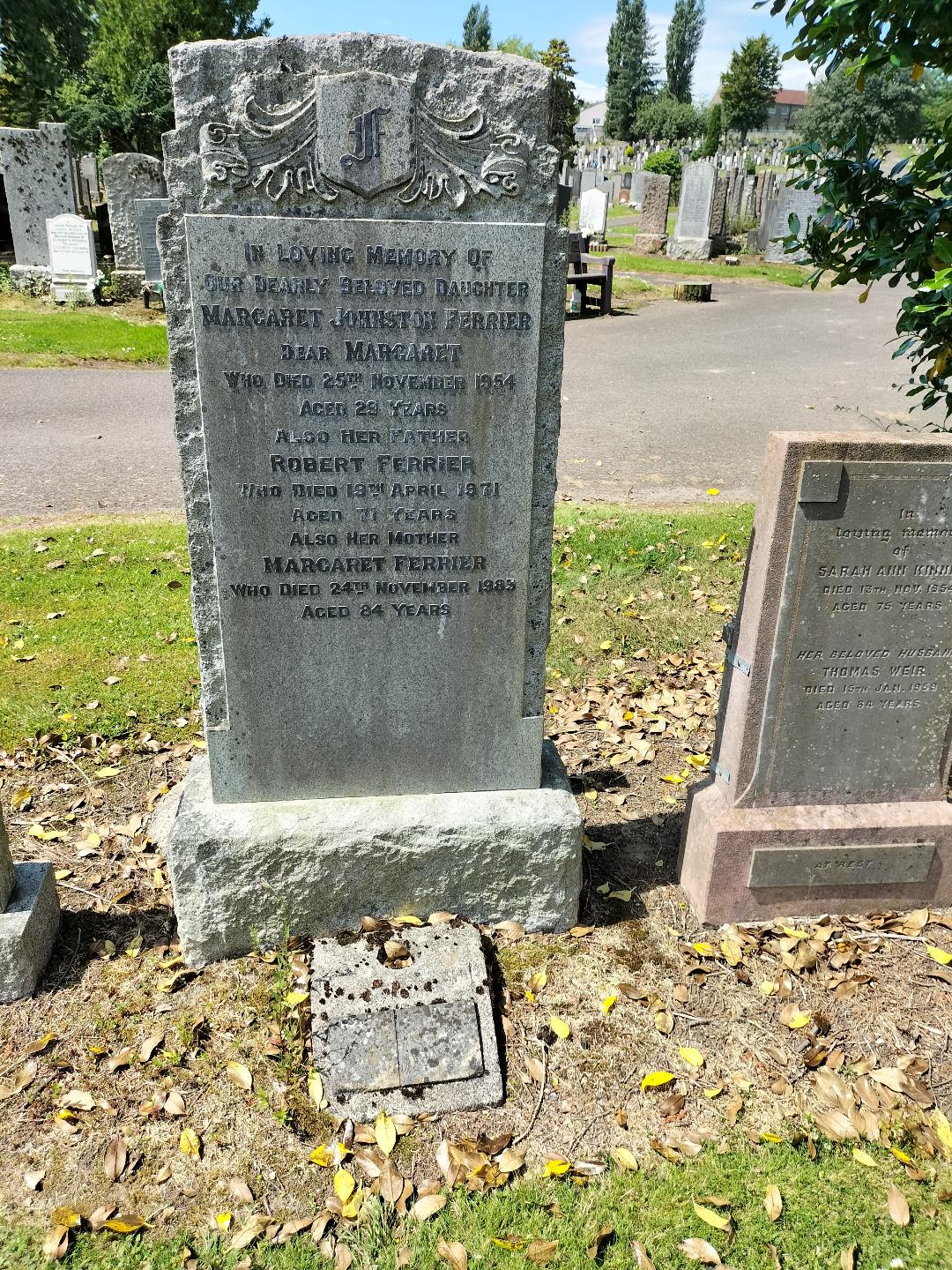
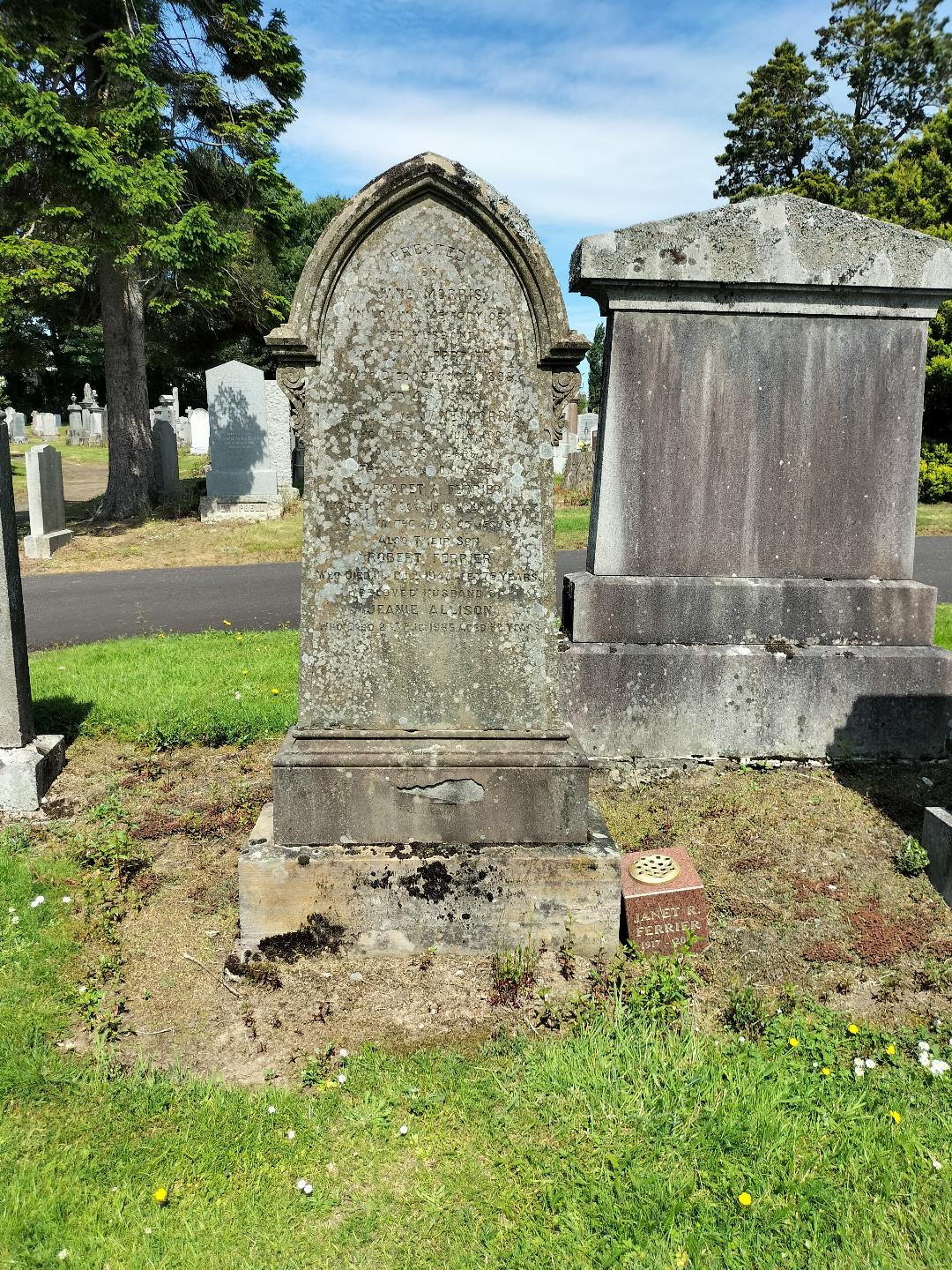
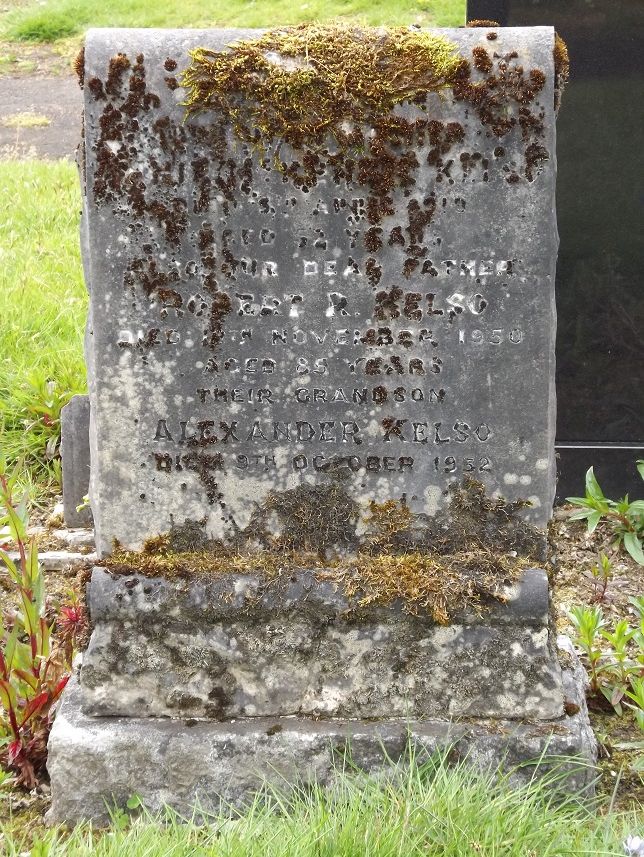
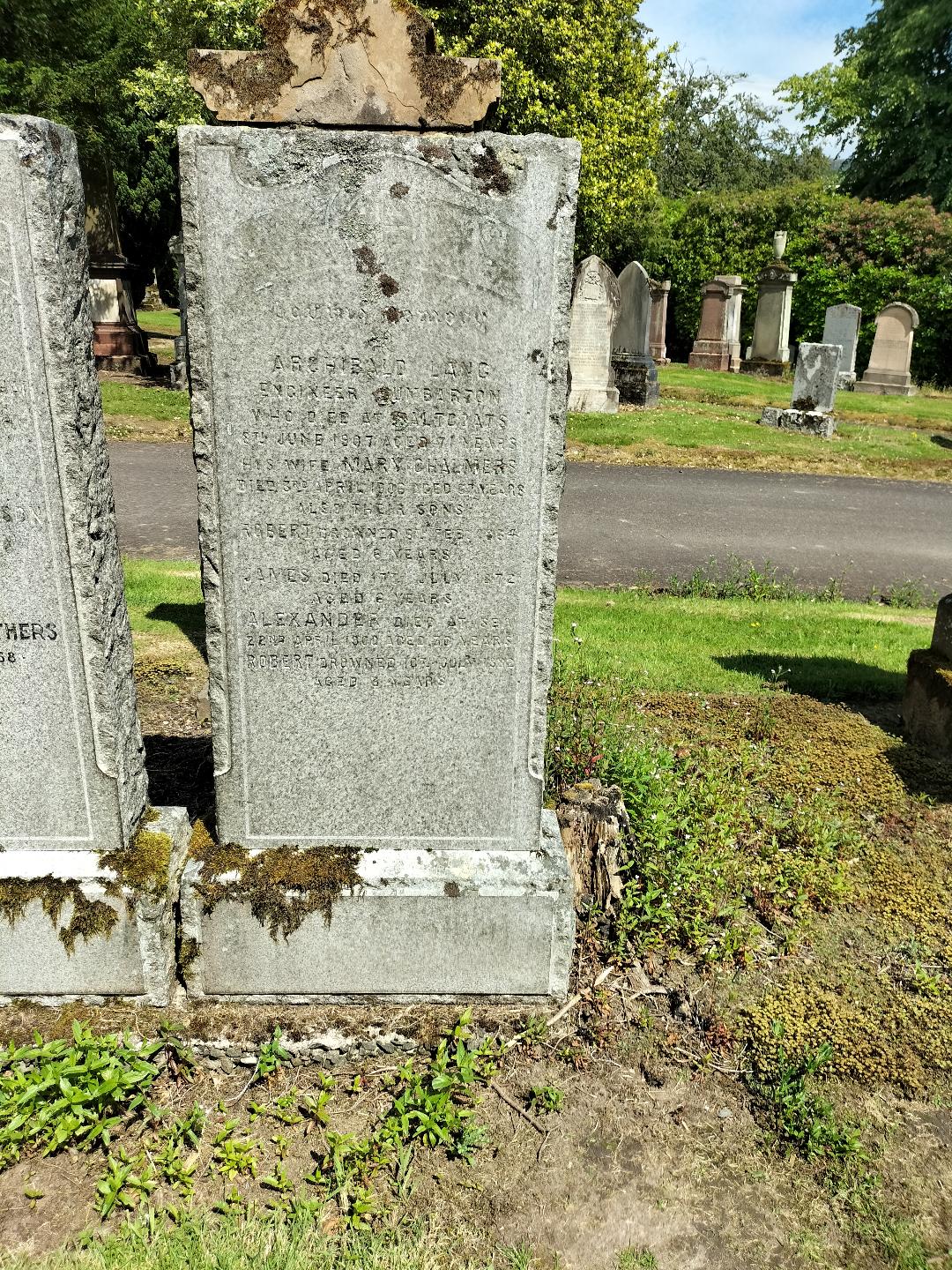
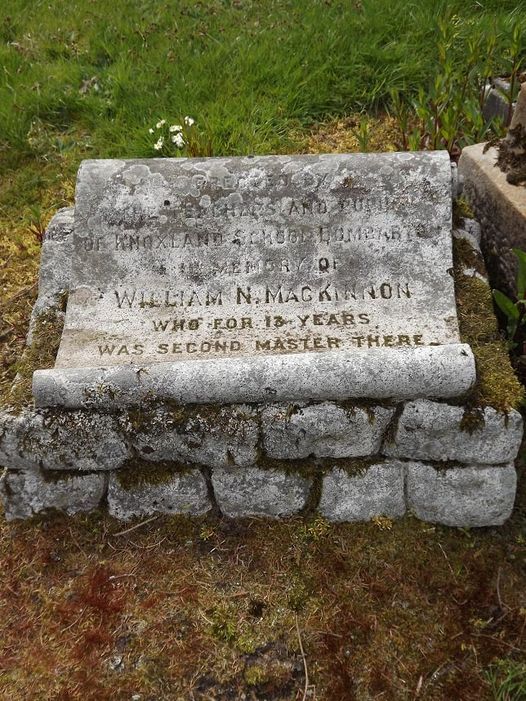
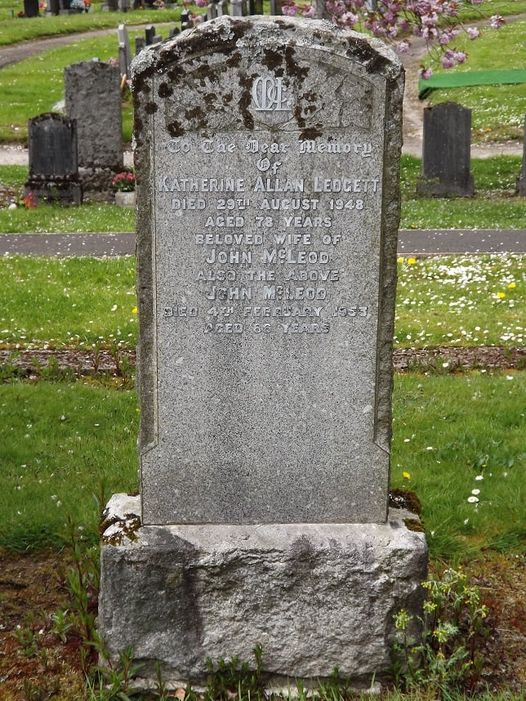
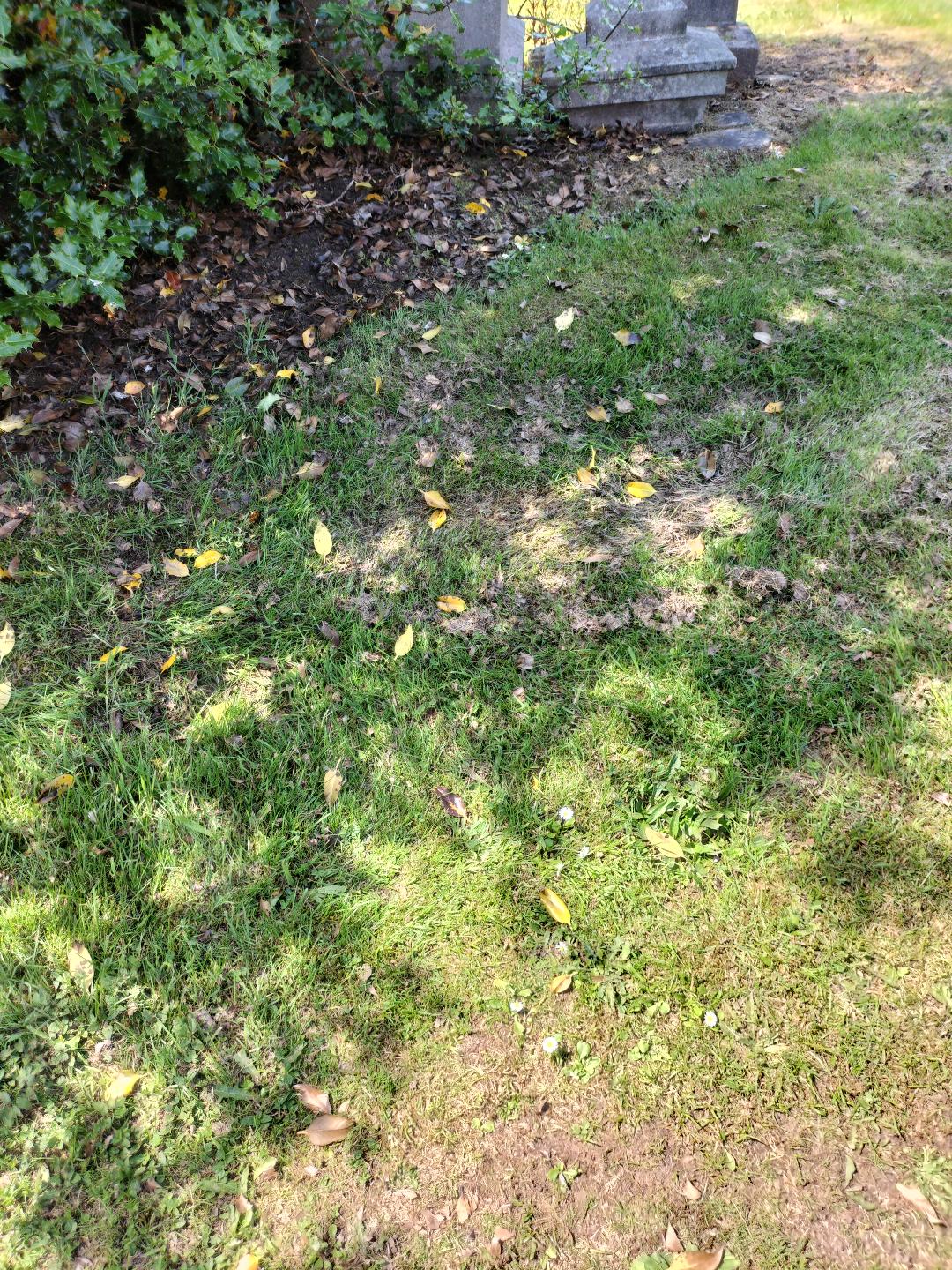
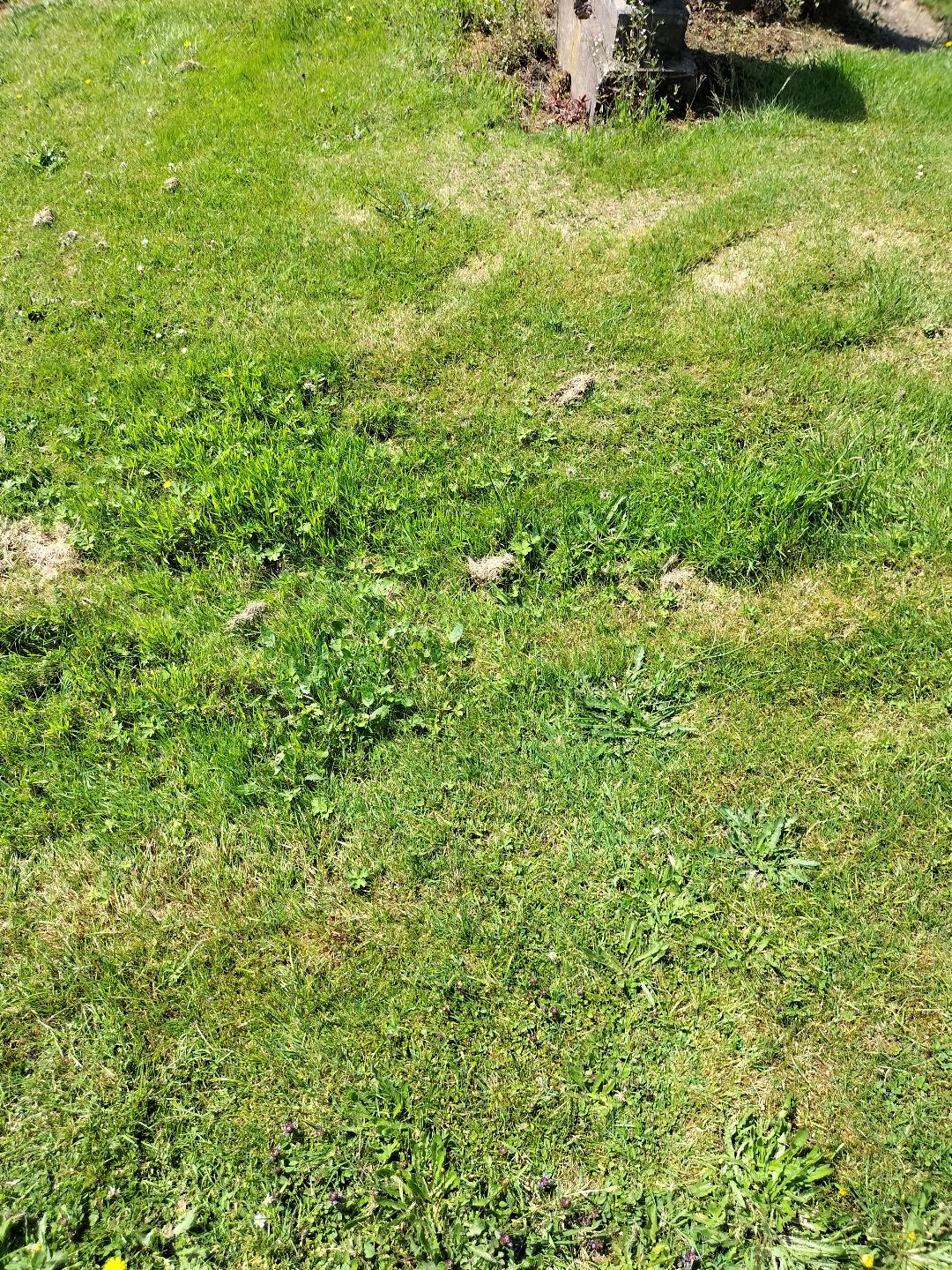
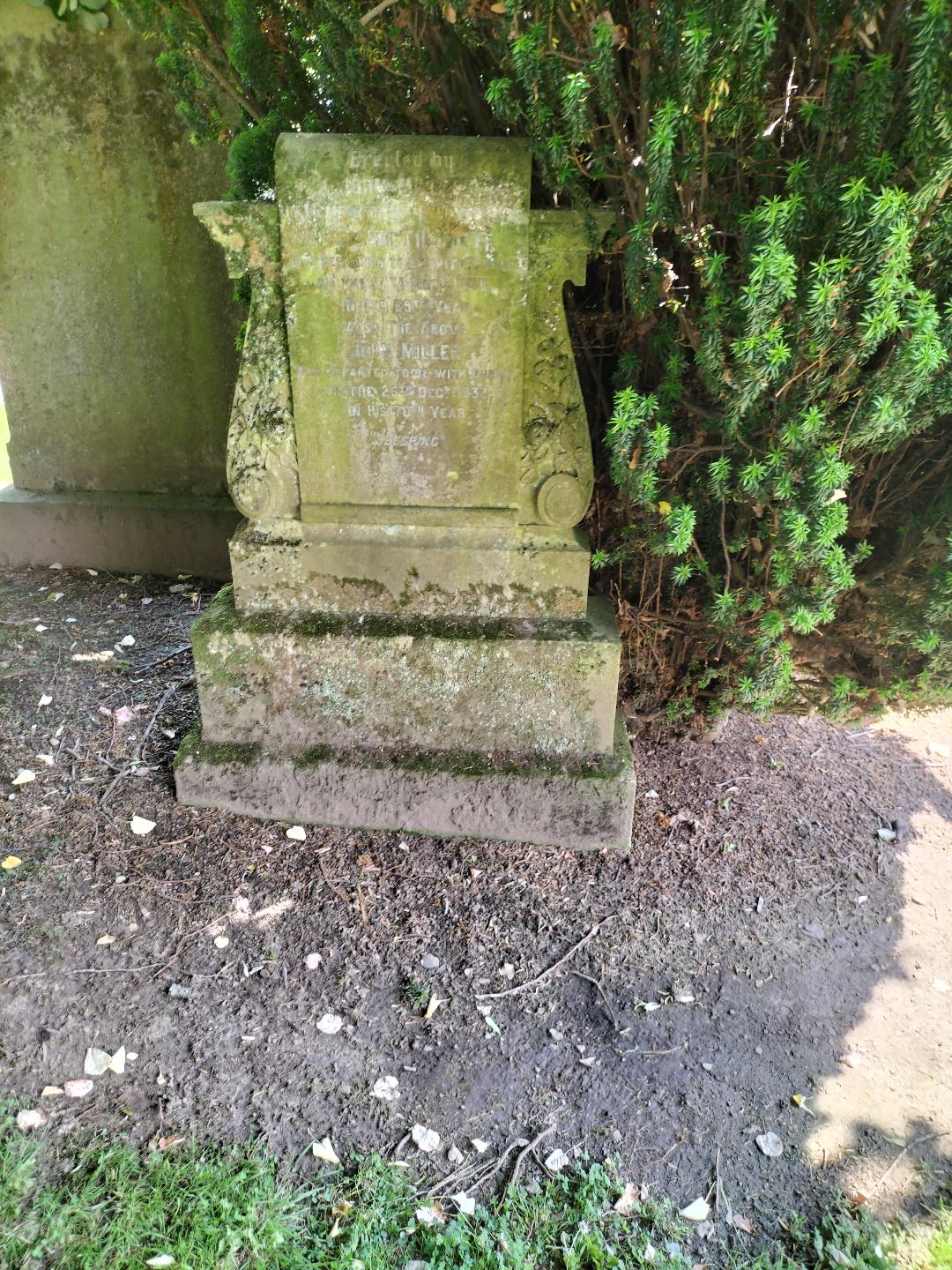
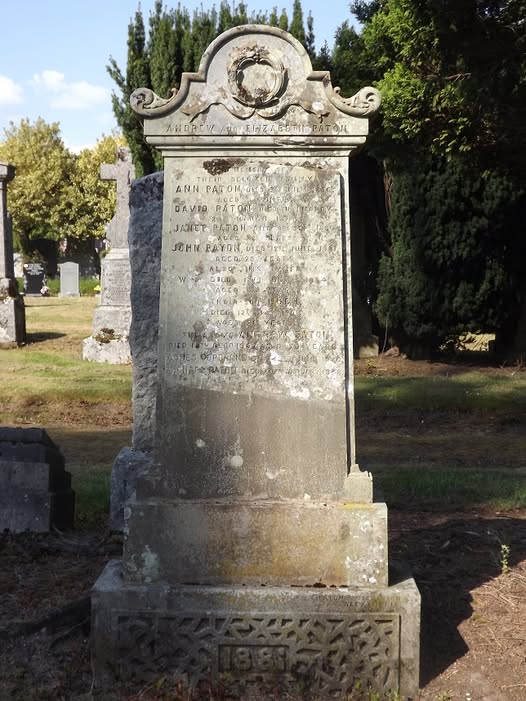
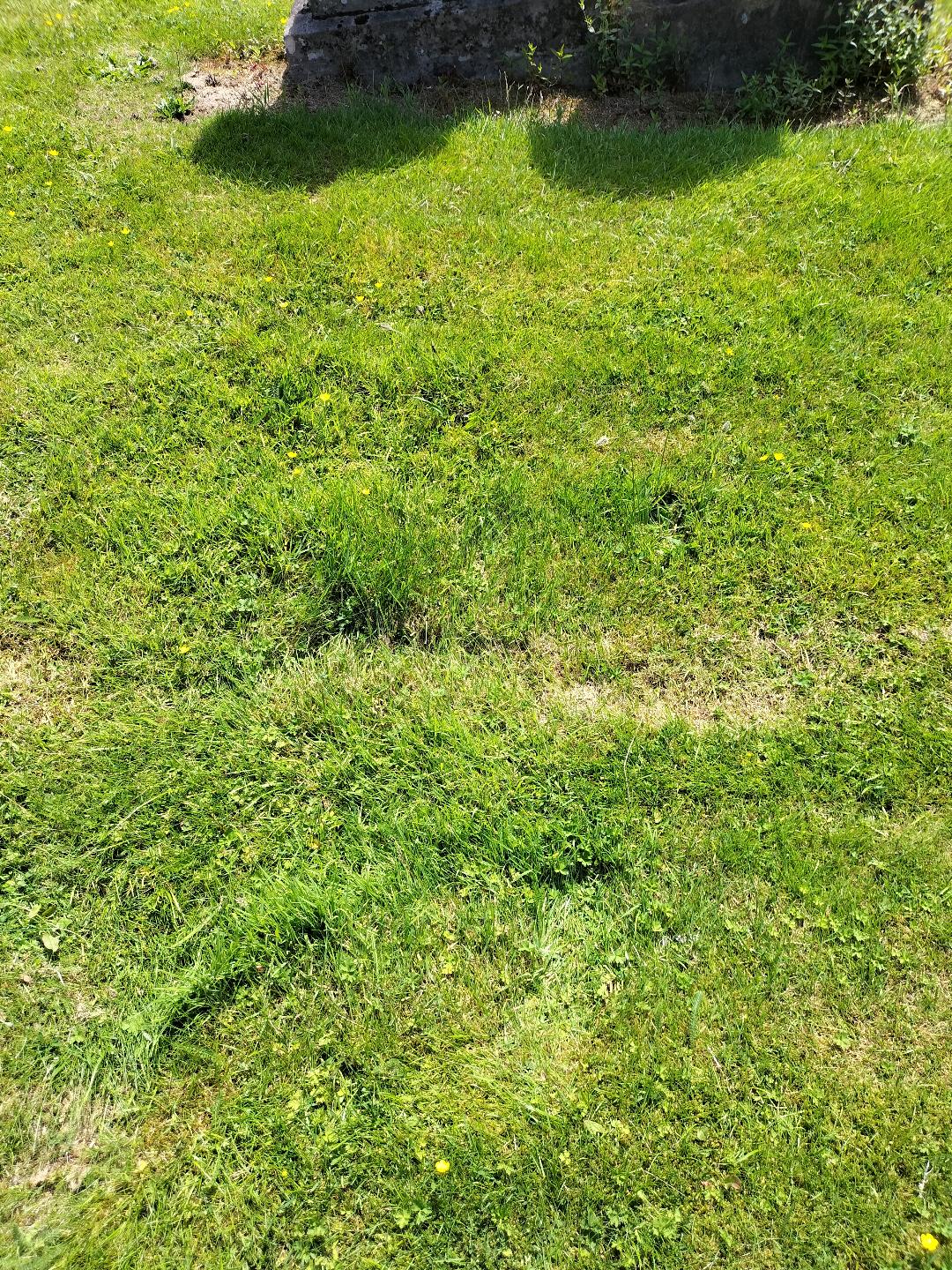
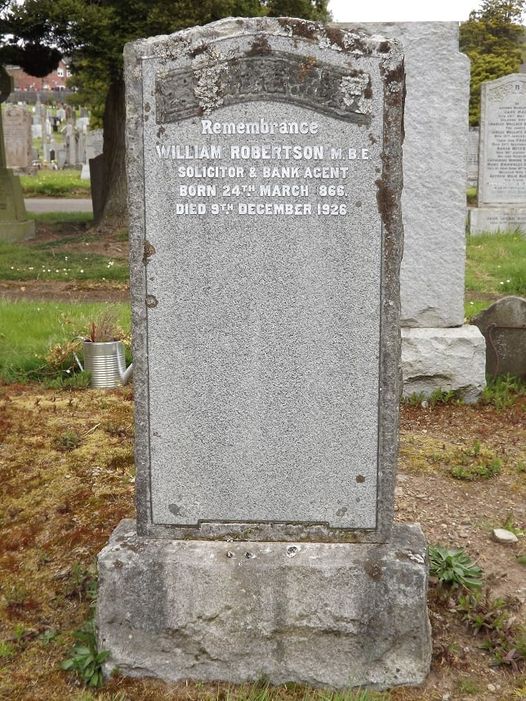
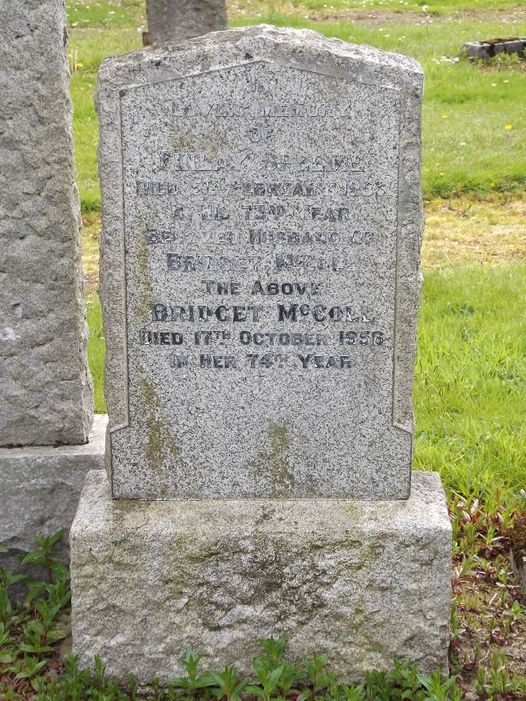
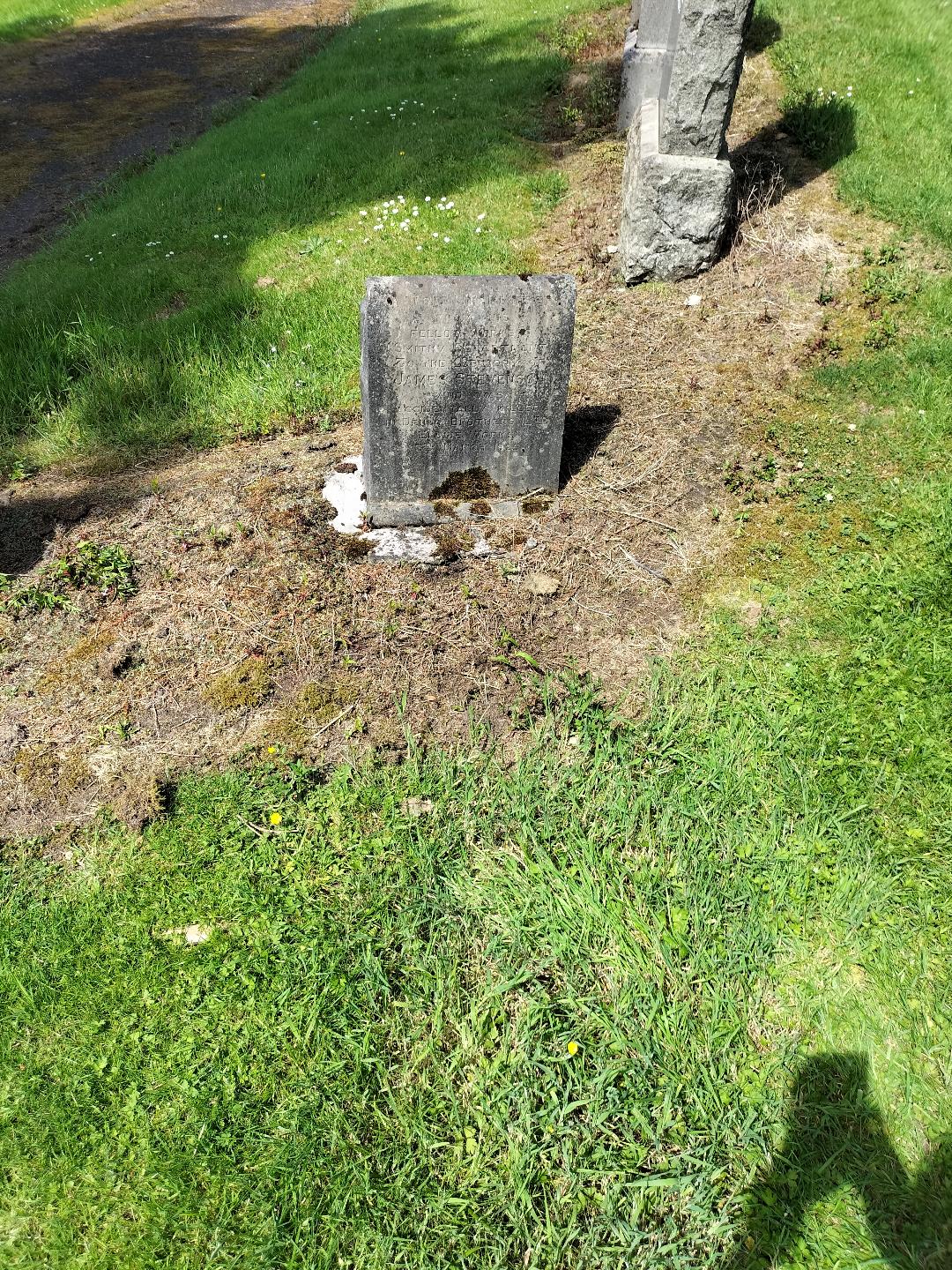
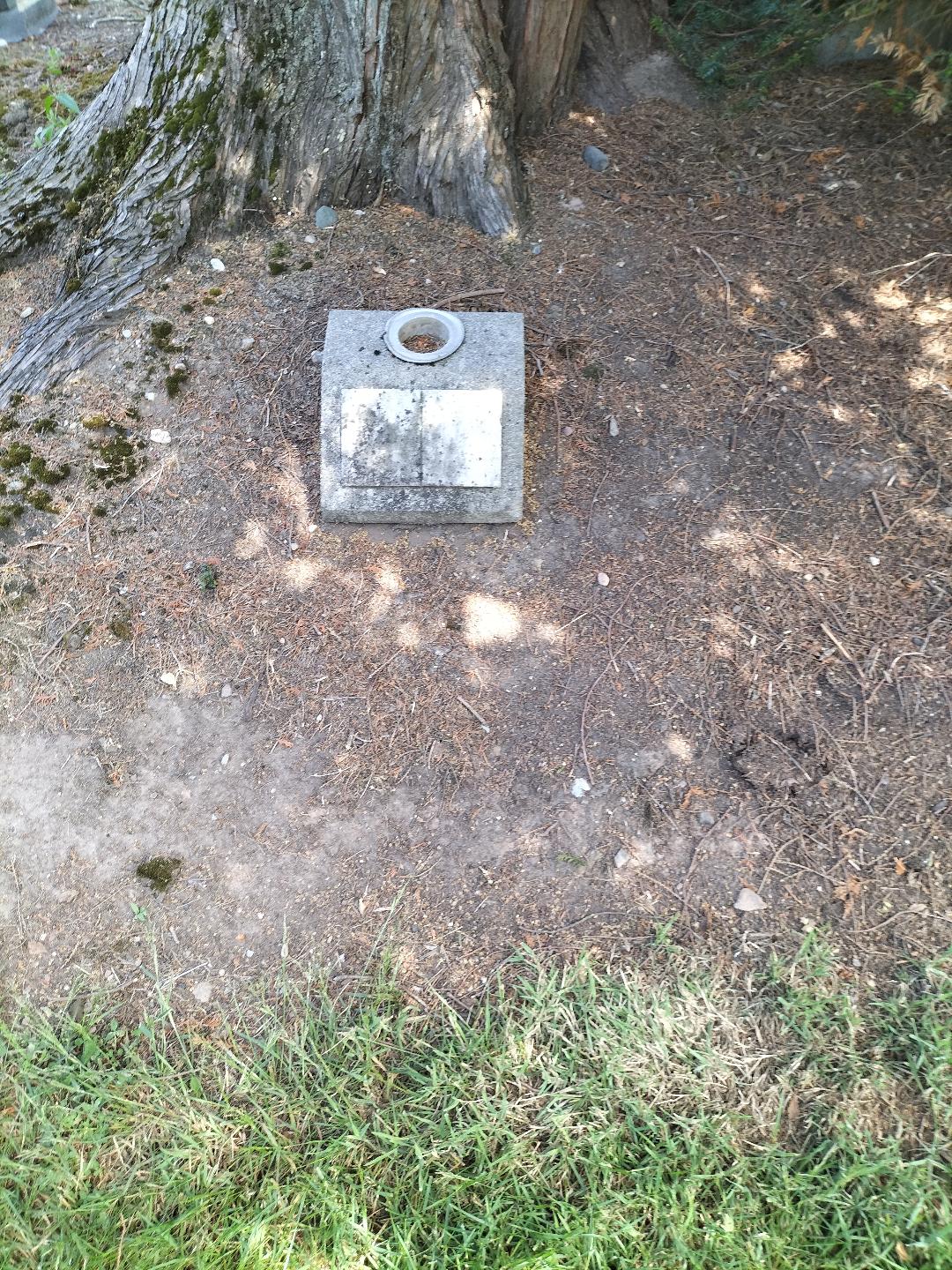
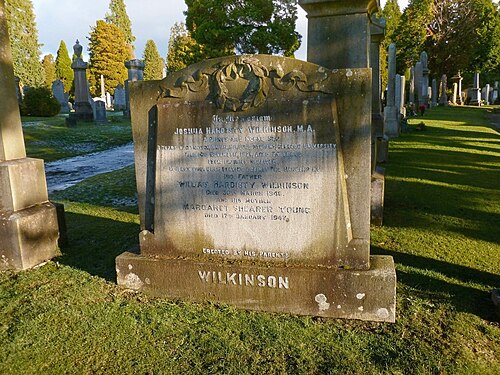
NOTE: The lairs of the all pioneers photographed above have now been identified with the help of and very grateful thanks to cemetery cemetery custodian, Alex Doey, and inestimable historian, Martin Donnelly. And there may well be more to come so watch this space! Plus thanks to Amanda and Kayleigh of West Dunbartonshire Bereavement Services more generally.